Understanding Why Washington Endometriosis Causes Severe and Chronic Pain

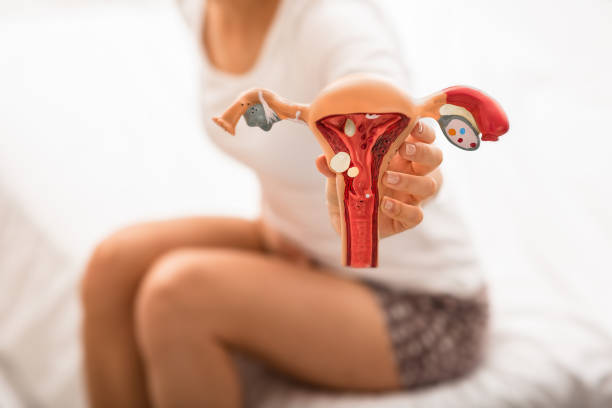
unrecognizing woman with abdominal pain holds the anatomical model of uterus and ovaries with pathology. diseases uterus and ovaries, endometriosis, ovarian cysts unrecognizing woman with abdominal pain holds the anatomical model of uterus and ovaries with pathology. diseases uterus and ovaries, endometriosis, ovarian cysts Endometriosis stock pictures, royalty-free photos & images

While many people with endometriosis find relief through medications and lifestyle modifications, there are cases where these approaches are insufficient. Surgery can be an effective option for managing endometriosis pain when other treatments fail or when complications arise.

When Should Surgery Be Considered?

Surgery is typically considered in the following scenarios:
Severe or persistent pain: When pain significantly disrupts daily life despite medications such as hormonal therapy or over-the-counter pain relievers.
Failed non-surgical treatments: If conservative treatments like hormonal therapy, dietary changes, or physical therapy do not provide adequate relief.
Endometriosis-related complications: If there are signs of advanced disease, such as ovarian cysts (endometriomas) or extensive scar tissue (adhesions), that impair organ function.
Infertility concerns

Types of Surgery for Endometriosis

  1. It involves inserting a small camera through tiny incisions in the abdomen to locate endometrial lesions.
  2. Surgeons can remove (excision) or destroy (ablation) abnormal tissue during the procedure.
  3. Benefits include shorter recovery time and reduced scarring compared to open surgery.
  4. This is a more invasive procedure involving a larger incision in the abdomen.
  5. It is usually reserved for severe cases with extensive disease or complications.
  6. Recovery takes longer than with laparoscopy but may be necessary for complex cases.

How Surgery Provides Relief

Surgery aims to address both the symptoms and underlying causes of endometriosis-related pain.

  • Removal of lesions reduces sources of inflammation in affected areas such as ovaries, fallopian tubes, bladder, intestines, or pelvic walls.
  • Treating adhesions restores organ mobility and prevents associated discomfort.
  • Excision techniques provide longer-lasting relief compared to tissue ablation since they remove abnormal tissue entirely.
Surgical Techniques Benefits Potential Risks
Laparoscopy Minimally invasive; quicker recovery Risk of recurrence
Excision More effective at preventing relapse Requires skilled surgeons
Ablation Targets superficial lesions quickly May leave deeper tissue

Factors to Discuss With Your Doctor

Before deciding on surgery, consult a qualified gynecologist or surgeon who specializes in endometriosis.
– The extent and location of your disease based on imaging studies or prior evaluations. – Your overall health and tolerance for surgical risks. – Whether you’re planning on having children in the future—some procedures may impact fertility. – Post-surgical care plans that may involve physical therapy or continuing medical treatment.

While surgery isn’t always necessary for every individual with endometriosis, it can be life-changing for those whose symptoms severely impact their quality of life. Understanding when it’s appropriate to consider this option—and how it can help—ensures you take proactive steps toward relief.

One of its hallmark symptoms is severe and chronic pain, which can significantly impact daily life. This pain arises due to the unique nature of how endometrial-like tissue grows outside the uterus, leading to various physiological responses that contribute to discomfort. Understanding the mechanisms behind this pain is key to better management and treatment.

Understanding Pain at an Endometriosis Center in Washington DC

There are several reasons why endometriosis results in severe and chronic pain.

  • Inflammation:
    The presence of endometrial-like tissue outside the uterus triggers an inflammatory response. The immune system perceives this tissue as abnormal, which leads to the release of inflammatory chemicals like cytokines and prostaglandins. These substances irritate surrounding tissues, causing pain.
  • Nerve Involvement:
    Endometrial lesions often affect nearby nerves or produce their own nerve supply (a process called neurogenesis). This can amplify sensations of pain, particularly in areas rich in nerve endings, such as the pelvis.
  • Adhesions and Scarring:
    These adhesions bind organs together abnormally—such as the ovaries and bowel—causing restricted movement and additional discomfort.
  • Cyclic Nature:
    Pain associated with endometriosis often worsens during menstruation because these tissues respond to hormonal changes just like the uterine lining does. However, unlike menstrual blood from within the uterus, there’s no natural way for this displaced tissue to exit the body.

Types of Pain Associated with Endometriosis

Type of Pain Description
Pelvic Pain Persistent or cyclic sharp or dull aches felt throughout the pelvic region.
Dysmenorrhea Severe cramping and lower abdominal pain during menstruation.
Dyspareunia Pain during sexual intercourse due to deep penetration-induced irritation
Lower Back Pain Radiating aches that stem from pelvic inflammation or adhesions nearby
Bowel/Bladder Discomfort Cramping or urgency related to bowel movements or urination

Factors That Can Worsen Endometriosis Pain

  1. Delayed Diagnosis– Untreated progression may increase lesion size and adhesion formation.
  2. Stress– Emotional stress can heighten an individual’s perception of physical discomfort.
  3. Hormonal Imbalances– Hormonal fluctuations could worsen inflammation.
  4. Dietary Triggers– Foods high in sugar or processed ingredients may aggravate inflammatory pathways.

Managing Chronic Endometriosis Pain

  • Over-the-counter anti-inflammatory medications (e. g.
  • Hormonal therapies such as oral contraceptives
  • Physical therapy for pelvic floor dysfunction
  • Stress reduction techniques like yoga or meditation
  • Surgical interventions when conservative treatments prove ineffective

By addressing these underlying causes, healthcare providers aim not only to reduce physical symptoms but also improve quality of life for those affected by this often-debilitating condition.

Why Endometriosis Causes Severe and Chronic Pain

To better understand why endometriosis pain can be so intense and persistent, it helps to examine its underlying mechanisms and contributing factors.

Mechanisms Behind Endometriosis-Related Pain

  1. The ectopic endometrial-like tissue reacts similarly to normal endometrial tissue during the menstrual cycle.
  2. When this tissue breaks down and bleeds during menstruation, the blood has no way to exit the body, causing localized inflammation.
  3. This inflammatory response releases chemicals like prostaglandins and cytokines that irritate surrounding nerves and tissues.
  4. Over time, repeated cycles of inflammation can cause scar tissue (fibrosis) to develop around affected areas.
  5. Adhesions form when bands of scar tissue bind organs together, leading to restricted movement, pelvic pain, and discomfort during physical activity or intercourse.
  6. Endometriotic lesions can invade nerve-rich areas within the pelvis, such as near uterosacral ligaments or near nerve plexuses.
  7. These lesions may stimulate or even entrap nerves, resulting in sharp or radiating pain that can persist beyond menstruation.
  8. Endometriosis is estrogen-dependent; higher levels of estrogen can stimulate lesion growth and exacerbate symptoms.
  9. Hormonal fluctuations during the menstrual cycle often intensify pain sensitivity.

Types of Pain Associated with Endometriosis

  • Dysmenorrhea (Painful Periods): Cramping that begins before menstruation starts and may worsen over time.
  • Chronic Pelvic Pain: Persistent pelvic discomfort lasting six months or longer.
  • Dyspareunia (Pain During Intercourse): Often linked with adhesions or deep infiltrating endometrial lesions.
  • Lower Back Pain: May occur due to inflammation or adhesions affecting nearby structures.
  • Bowel or Bladder Pain: Common when lesions affect the intestines or bladder tissues.

Factors That Contribute to Chronic Pain

Factor Description
Lesion Location Lesions near nerve clusters are likely to cause more pronounced discomfort.
Disease Severity Advanced stages (III-IV) are often associated with more extensive scarring
Central Sensitization Over time, repetitive pain signals may lead to heightened sensitivity in the nervous system.
Delayed Diagnosis Many patients face years-long delays in diagnosis which allows disease progression.

Managing Severe Pain

  • Nonsteroidal anti-inflammatory drugs (NSAIDs) for inflammation-related discomfort.
  • Hormonal therapies such as oral contraceptives or GnRH agonists/antagonists.
  • Laparoscopy for removal of visible lesions.
  • Advanced procedures like robotic-assisted excision for severe cases.
  • Regular exercise tailored to individual tolerance levels.
  • Stress-relief practices such as yoga or mindfulness meditation.

Understanding how endometriosis contributes to severe chronic pain is vital for early management strategies tailored specifically to each patient’s needs. Early detection combined with an individualized treatment approach improves quality of life significantly over time.

The Connection Between Endometriosis and Infertility: What You Need to Know

One of the most significant ways endometriosis impacts health is its connection with infertility. Understanding how this condition interferes with reproductive health and what options exist for those struggling with conception is crucial for informed decision-making.

How Endometriosis Affects Fertility

Endometriosis occurs when tissue similar to the uterine lining (endometrium) grows outside the uterus, often on the ovaries, fallopian tubes, or pelvic lining.

  • Distorted Anatomy: Adhesions and scar tissue caused by inflammation can alter the shape and function of reproductive organs, making it difficult for sperm and eggs to meet.
  • Ovulatory Dysfunction: Inflammation in the ovaries may interfere with ovulation or egg quality.
  • Blocked Fallopian Tubes: Endometrial growths can obstruct the fallopian tubes, preventing fertilization.
  • Inflammation: Chronic inflammation in the pelvic area may impact implantation or early embryo development.
  • Hormonal Imbalance: Hormonal irregularities due to endometriosis may disrupt the menstrual cycle, affecting fertility timing.

Who Is at Risk?

Research suggests that 30–50% of individuals diagnosed with endometriosis encounter some form of infertility during their lives.

Common factors increasing risk include: – Delayed diagnosis leading to advanced disease progression – Family history of endometriosis – Presence of ovarian cysts (endometriomas) – Severe pelvic pain during menstruation or intercourse

Treatment Options

  1. Surgical Intervention:Laparoscopic surgery can remove adhesions, cysts, and other abnormal tissue while preserving reproductive organs.
  2. In Vitro Fertilization (IVF): Often recommended when other treatments fail.
  3. Intrauterine Insemination (IUI): May work well for mild cases combined with fertility medications.
  4. Lifestyle Modifications:Anti-inflammatory diets, stress management techniques, and regular exercise may help manage symptoms.
Treatment Option When It’s Recommended Potential Benefits Limitations
Medications Mild symptom management Reduces pain & slows growth Not suitable for pregnancy goals
Laparoscopic Surgery Moderate-to-severe cases Improves chances of natural conception Risk of recurrence
IVF Severe cases or blocked fallopian tubes Bypasses anatomical barriers Costly

Steps Toward Parenthood

If you have been diagnosed with endometriosis and are considering starting or expanding your family, it’s important to consult both a gynecologist familiar with endometriosis management and a fertility specialist. Early intervention could improve your chances significantly by addressing issues before they progress further.

Endometriosis-related infertility is challenging but not insurmountable. Advances in treatment options mean more individuals than ever before are able to achieve their dream of parenthood despite this diagnosis.
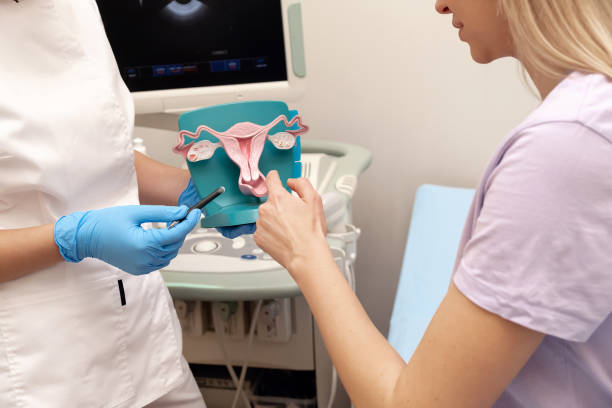
Gynecologist talks to a patient with a model of the female reproductive system in her hands.Women's health, pregnancy planning,pathology of internal organs,medical concept Gynecologist talks to a patient with a model of the female reproductive system in her hands.Women's health, pregnancy planning,pathology of internal organs,medical concept. Endometriosis stock pictures, royalty-free photos & images

Debunking Myths About Endometriosis With an Endometriosis Specialist in Washington DC

These myths can delay proper care, contribute to stigma, and make managing the disease more challenging. By addressing these misunderstandings, individuals with endometriosis can make informed decisions about their health and treatment options.

Myth 1: Severe Period Pain is Normal

One of the most prevalent misconceptions is that debilitating period pain is just a normal part of menstruation. While mild discomfort during periods may be common, intense pain that disrupts daily life is not normal. Endometriosis often causes severe menstrual cramps due to displaced endometrial-like tissue outside the uterus.

Key Facts:– Normal period pain typically responds well to over-the-counter pain relievers. – Endometriosis-related pain often persists despite medication or feels disproportionate to what is considered typical. – Ignoring severe period pain may delay diagnosis by years.

Myth 2: Pregnancy Cures Endometriosis

The belief that pregnancy can cure endometriosis has been widely debunked. While some individuals experience temporary relief from symptoms during pregnancy due to hormonal changes, this effect is not universal or permanent.

Why This Isn’t True:– Hormonal fluctuations during pregnancy may suppress some symptoms but do not eliminate the underlying condition. – Symptoms can return post-pregnancy or worsen in some cases. – Effective management requires ongoing medical care tailored to the individual.

Myth 3: Hysterectomy Is Always a Cure

A hysterectomy (removal of the uterus) is sometimes touted as a definitive solution for endometriosis. However, this procedure does not address cases of endometrial-like tissue growing outside of the uterus.

Considerations: | Pros | Cons | |—————————-|—————————–| | May alleviate uterine-specific symptoms like adenomyosis | Does not remove extrauterine lesions causing pain | | Can provide relief for coexisting conditions like fibroids | Not suitable for those who wish to preserve fertility |

Hysterectomy should only be pursued after careful evaluation by a specialist.

Myth 4: Only Older Women Get Endometriosis

Endometriosis is often incorrectly thought of as a condition affecting women in their 30s or 40s. In reality, it can occur in any individual with menstrual cycles, regardless of age.

Facts About Onset:– Symptoms often begin in adolescence but are frequently dismissed as “normal teen cramps. ” – Early recognition and intervention improve quality of life and long-term outcomes. – Comprehensive education about menstrual health helps younger individuals recognize abnormal patterns early on.

Myth 5: Laparoscopy Always Provides Immediate Answers

Laparoscopic surgery remains the gold standard for diagnosing endometriosis; however, it does not always yield immediate answers or relief. Surgeons must visually identify lesions during the procedure, which requires expertise and experience.

Important Notes on Diagnosis via Laparoscopy:– Some lesions may be microscopic or atypical in appearance. – A biopsy may be needed for confirmation. – Proper postoperative care ensures long-term success following surgical interventions.

Busting Myths Leads to Better Care

Dispelling myths about endometriosis empowers patients with accurate information for managing their condition effectively. By fostering awareness around symptoms, diagnosis techniques, and treatment options, healthcare providers can help individuals achieve better outcomes while improving overall quality of life.

6 Ways That Robotic Hysterectomy Improves Surgical Outcomes for Endometriosis Patients

Robotic hysterectomy is a technologically advanced surgical procedure that has significantly improved outcomes for patients with severe endometriosis. By leveraging robotic-assisted techniques, surgeons can perform minimally invasive surgeries with enhanced precision and control. Below are six key ways in which robotic hysterectomy benefits patients suffering from endometriosis.

Robotic systems provide surgeons with high-definition, 3D visualization of the surgical site. This detailed view enables the surgeon to accurately identify and address areas affected by endometriosis, even in hard-to-reach locations. The robotic instruments mimic the movements of a human hand but with greater stability and precision, minimizing the risk of accidental damage to nearby organs or tissue.

Compared to traditional open surgery or even standard laparoscopic methods, robotic hysterectomy is associated with smaller incisions, leading to less tissue trauma. This translates into reduced postoperative pain for patients. Many individuals report shorter periods of discomfort as they recover from the procedure.

One advantage of robotic-assisted surgery is the use of tiny incisions rather than large cuts required in open surgeries. Patients generally experience minimal scarring after a robotic hysterectomy, which can be important both cosmetically and psychologically, especially for young women undergoing this procedure.

Surgical Method Incision Size Scarring Risk
Open Hysterectomy Large Incision (10–15 cm) High
Traditional Laparoscopy Small Incision (~1 cm) Moderate
Robotic-Assisted Surgery Tiny Incision (<1 cm) Low

Patients undergoing robotic hysterectomy typically benefit from quicker recovery times compared to traditional surgical approaches. While recovery after an open surgery may take six weeks or more, many patients resume normal activities within two to four weeks following a robotic-assisted procedure.

The precision provided by robotic systems reduces the likelihood of complications such as excessive blood loss or unintentional injury to surrounding tissues during surgery. Additionally, surgeons have better control over small movements during delicate parts of the procedure, lowering overall risks.

For individuals experiencing debilitating symptoms due to endometriosis—for example, chronic pelvic pain or heavy menstrual bleeding—robotic hysterectomy can offer life-changing relief when other treatments have failed. The removal of affected tissues often alleviates pain and enhances overall quality of life.

Robotic hysterectomy represents an innovative approach in treating advanced cases of endometriosis where conservative methods no longer suffice or are ineffective in managing symptoms effectively. Through its combination of advanced technology and minimally invasive techniques, it continues to improve outcomes for countless patients worldwide seeking relief from this chronic condition.

Understanding Endometriosis Surgery Washington DC: Signs, Symptoms, and Early Management

Despite being a common condition, endometriosis is often underdiagnosed due to its complex presentation and overlapping symptoms with other conditions. Understanding the signs and symptoms can empower individuals to seek timely medical intervention.

Common Signs and Symptoms

Endometriosis manifests in a variety of ways, depending on the severity of the condition and the areas affected.

  • Chronic pelvic pain: Persistent pain in the lower abdomen or pelvis, often worsening during menstruation.
  • Painful periods (dysmenorrhea): Intense cramping and discomfort that may begin before menstruation and last several days.
  • Dyspareunia: Pain during or after sexual intercourse, especially deep penetration.
  • Infertility: Difficulty conceiving, which may be a result of scar tissue or adhesions caused by the condition.
  • Painful bowel movements or urination: Particularly during menstrual cycles, this symptom might suggest involvement of surrounding organs such as the bladder or bowel.
  • Excessive menstrual bleeding: Heavy periods (menorrhagia) or spotting between periods (metrorrhagia).
  • Fatigue: Feeling constantly tired or drained, which is commonly reported by patients with endometriosis.

It’s important to note that symptom severity does not always correlate with disease progression; mild cases can cause severe pain while advanced cases may present minimal discomfort.

Overlapping Conditions

The symptoms of endometriosis can mimic other health issues, leading to delays in diagnosis.

Condition Similar Symptoms Primary Differentiator
Irritable Bowel Syndrome (IBS) Bloating, abdominal pain, diarrhea/constipation Symptoms fluctuate with diet
Pelvic Inflammatory Disease Pelvic pain, heavy bleeding Typically linked to infection
Ovarian Cysts Pelvic pain Often sudden onset when ruptured

A thorough evaluation by a physician experienced in diagnosing endometriosis is essential for distinguishing between these conditions.

Importance of Early Recognition

Diagnosing endometriosis early provides several benefits: 1.Improved treatment outcomes:Early diagnosis allows patients to explore various interventions such as hormonal therapies or lifestyle modifications before complications arise. 2.Preservation of fertility:Timely treatment reduces damage to reproductive organs. 3.Reduced risk of chronic pain:

When Should You Seek Medical Help?

If you experience any combination of the mentioned symptoms consistently over several months—especially if they interfere with daily life—it’s crucial to consult a healthcare provider specializing in gynecological conditions.

By recognizing early warning signs and advocating for yourself during medical consultations, it’s possible to achieve better long-term management and reduce the impact on overall well-being.

Finding an Endometriosis Doctor in Washington DC: Recognizing Symptoms Early for Better Care

Common Symptoms of Endometriosis

Understanding how endometriosis manifests can help individuals seek timely medical attention.

  • Chronic Pelvic Pain: Persistent pain in the lower abdomen or pelvic region, often worsening before or during menstruation.
  • Painful Periods (Dysmenorrhea): Intense menstrual cramps that may radiate to the back or legs.
  • Pain During Intercourse: Discomfort or pain during or after sexual activity, particularly with deeper penetration.
  • Excessive Bleeding: Heavy menstrual bleeding (menorrhagia) or spotting between periods.
  • Digestive Issues: Bloating, nausea, diarrhea, or constipation, especially around menstruation.
  • Infertility: Difficulty conceiving is a common concern for individuals with endometriosis.
  • Fatigue: Persistent exhaustion that may not improve with rest.

Not everyone will experience all these symptoms, and their severity can vary widely between individuals.

Less Common Symptoms to Watch For

  • Pain during urination or bowel movements.
  • Blood in stool or urine during menstruation.
  • Sciatic nerve pain radiating down one leg due to deep infiltrating endometriosis affecting nerves.

When to Seek Help

Early recognition of symptoms is crucial because undiagnosed endometriosis can worsen over time.

  1. Period pain severe enough to interfere with daily activities.
  2. Pain unresponsive to over-the-counter medications.
  3. Digestive issues that persist despite treatment for other gastrointestinal conditions.

The Importance of Early Diagnosis

Delayed diagnosis is one of the most significant challenges faced by those with endometriosis; on average, it can take 7–10 years from symptom onset to receive a confirmed diagnosis through laparoscopy or imaging studies like ultrasound/MRI.

  • Slow disease progression through hormonal therapies.
  • Alleviate chronic symptoms via tailored treatment plans.
  • Preserve fertility by addressing reproductive concerns proactively.

Tracking Symptoms for Better Communication With Healthcare Providers

Symptom Severity (Mild/Moderate/Severe) Timing (Days in Cycle)
Pelvic pain
Menstrual cramps
Fatigue
Digestive issues
Other

Keeping detailed records helps foster more productive discussions during appointments and ensures no important detail is overlooked.

Early recognition combined with prompt intervention is key in managing endometriosis effectively while improving quality of life long-term through individualized treatment strategies tailored specifically toward each patient’s needs.


Understanding the Risks, Benefits, and Complications of Endometriosis Surgery in Washington DC

Young Asian woman having stomachache while lying down on sofa at home. Young Asian woman lying down on sofa while experiencing stomach pain. Endometriosis stock pictures, royalty-free photos & images

Endometriosis is a chronic condition where tissue similar to the uterine lining grows outside the uterus, causing pain, inflammation, and other complications. While many individuals with endometriosis find relief through medications and non-surgical treatments, there are cases where surgical intervention becomes necessary. Understanding when surgery might be the right choice is key to managing this condition effectively.

Indications for Endometriosis Surgery

  • Severe or Debilitating Pain: Persistent pelvic pain that does not respond to medications or other therapies may necessitate surgery as a way to identify and treat lesions causing discomfort.
  • Infertility: For individuals struggling with infertility due to endometriosis, surgery can help remove lesions or adhesions affecting reproductive organs.
  • Bowel or Bladder Complications: In cases where endometrial growths obstruct bowel or bladder function, surgery may be required to restore normal operations.
  • Failure of Non-Surgical Treatments: If hormone therapy, pain management strategies, or other non-invasive interventions prove ineffective over time, surgical intervention might offer relief.

Factors Influencing the Decision

  1. Severity of Symptoms: The intensity and frequency of symptoms often guide the decision-making process.
  2. Desire for Fertility Preservation: Individuals wishing to conceive may consider less aggressive options aimed at preserving reproductive organs.
  3. Age and Overall Health: A patient’s age and ability to undergo a surgical procedure safely are important considerations.
  4. Type and Stage of Endometriosis: Advanced stages (Stage III/IV) with widespread growths typically require more complex surgical interventions.
  5. Previous Surgical Outcomes: A history of unsuccessful surgeries can influence whether additional procedures are recommended.

Types of Patients Who May Not Benefit from Surgery

  • Individuals whose symptoms are well-managed through medication or lifestyle changes may not need invasive procedures.
  • Those hesitant about potential risks involved in surgery should explore conservative treatments unless their condition significantly worsens.
  • Patients diagnosed with minimal lesions that appear unlikely to disrupt organ function might prioritize non-surgical therapies instead.

Collaborative Decision-Making

Patient’s Role Provider’s Role
Clearly communicating symptoms Providing detailed explanations
Expressing preferences about fertility Discussing risks versus benefits
Asking questions about recovery Offering realistic expectations

Through shared decision-making, individuals can weigh potential outcomes while prioritizing their long-term wellbeing.

Understanding when surgery should be considered requires a nuanced approach tailored specifically to each patient’s unique needs—and ensuring that all options have been explored before proceeding with surgical intervention remains essential in managing this complex condition effectively.

Exploring Surgery Options for Washington Endometriosis and Their Applications

When it comes to managing endometriosis, surgery can be an important part of treatment for patients whose symptoms do not improve with other interventions. The type of surgery recommended depends on the severity of the condition, its location, and the patient’s reproductive goals. Below is a detailed guide to the types of surgeries available and their specific applications.

Laparoscopy: A Minimally Invasive Approach by an Endometriosis Expert in Washington DC

Laparoscopy is often considered the gold standard for diagnosing and treating endometriosis. This minimally invasive procedure involves small incisions in the abdomen through which a laparoscope (a thin tube with a camera) and surgical instruments are inserted.

Applications:
– Identifying and removing visible endometrial implants.
– Treating mild to moderate forms of endometriosis.
– Offering pain relief by excising or ablating lesions.

Advantages:
– Shorter recovery time compared to open surgery.
– Reduced risk of complications such as infections or excessive scarring.

Key Features Details
Incision size Small (typically 0.5–1 cm).
Recovery time 1–2 weeks on average.
Common techniques used Excision or ablation of lesions.

Laparotomy for Severe Cases at the Endometriosis Center Washington DC

Laparotomy, also known as open abdominal surgery, involves a larger incision in the abdomen to access deep-seated or complex endometrial tissue growths.

Applications:
– Severe cases where laparoscopic access may not be sufficient. – Removing large cysts, such as ovarian endometriomas. – Addressing widespread adhesions that affect organ function.

Considerations:
– Longer recovery period compared to laparoscopy (4–6 weeks).
– Typically reserved for cases unresponsive to less invasive treatments.

Hysterectomy: When Other Options Are Exhausted

A hysterectomy involves removing the uterus and may also include removal of the ovaries (oophorectomy) and fallopian tubes (salpingectomy). It is considered only when other treatments have failed, particularly for individuals who no longer wish to preserve fertility.

Applications:
– Advanced-stage endometriosis with severe pelvic pain affecting quality of life. – Cases where hormonal therapies are ineffective or contraindicated.

Important Considerations Before Choosing Hysterectomy:
– Permanent loss of fertility if ovaries are removed. – Potential need for hormone replacement therapy post-surgery if both ovaries are removed.

Fertility-Preserving Procedures

For patients prioritizing future pregnancies, conservative surgical techniques are employed to remove endometrial lesions while preserving reproductive organs as much as possible.

Examples Include:
– Removal of adhesions around fallopian tubes to improve egg passage. – Excision techniques designed to preserve healthy ovarian tissue when treating cysts like endometriomas.

Summary Table: Comparing Endometriosis Surgeries

Type of Surgery Invasiveness Recovery Time Best Suited For
Laparoscopy Minimally invasive ~1–2 weeks Diagnosis & treatment; mild-moderate cases
Laparotomy More invasive ~4–6 weeks Severe cases; large cysts/adhesions
Hysterectomy Major surgery ~6+ weeks Chronic pain; advanced stages; non-fertility goals

Surgical intervention can significantly improve symptoms and quality of life when tailored appropriately to a patient’s unique circumstances. Understanding these options helps patients make informed decisions about their care in collaboration with their healthcare team.

What to Expect During Surgery with an Endometriosis Specialist in Washington DC

Endometriosis surgery is a critical option for those seeking relief from symptoms caused by endometrial tissue growing outside the uterus. Understanding what happens during these procedures can help patients make informed decisions and alleviate concerns about the surgical process.

Preparing for Endometriosis Surgery

  • Medical history review: Discussing symptoms, previous treatments, and any underlying conditions.
  • Diagnostic imaging: Ultrasounds or MRIs may be used to identify areas affected by endometriosis.
  • Pre-surgical instructions: Patients are often advised to fast for a specified period before surgery and may need to stop certain medications temporarily.

The preparation period is essential to ensure the safety and success of the procedure.

Types of Surgical Procedures

There are two primary surgical approaches used in treating endometriosis: laparoscopy and laparotomy. The choice depends on factors such as the severity of the condition, location of lesions, and individual patient needs.

  1. A small incision is made near the navel.
  2. A laparoscope (a thin tube with a camera) is inserted to visualize internal organs.
  3. Specialized instruments are used to excise or ablate (destroy) endometrial tissue.
  4. This technique allows for precision while minimizing damage to surrounding tissues.
  5. Involves a larger incision in the abdominal wall.
  6. Typically reserved for severe cases where endometrial growths are extensive or deeply infiltrating.
  7. Allows surgeons direct access to remove problematic tissues or perform additional repairs if necessary.

Key Surgical Steps During Laparoscopy

Step Description
Anesthesia General anesthesia is administered so patients remain unconscious and pain-free during surgery.
Incision Small incisions (usually 1-3 cm) are made near the navel or lower abdomen.
Insertion Carbon dioxide gas is introduced into the abdominal cavity, creating space for visibility and maneuverability. A laparoscope is then inserted through one incision.
Tissue Removal Surgeon identifies endometrial growths and may use excision (cutting out tissue) or ablation techniques such as laser therapy or electrocautery.
Post-Surgical Closure Incisions are closed with sutures or adhesive strips, followed by dressing application.

For more severe cases requiring laparotomy, steps would involve larger incisions but follow similar principles.

doctor explain woman Uterus ultrasound medical consultation - close up asian female doctor is explaining the situation to woman after Uterus ultrasound Endometriosis stock pictures, royalty-free photos & images

Post-Surgical Measures Taken in Operating Room

After removing abnormal tissue, surgeons often examine surrounding organs like ovaries, fallopian tubes, bladder, and bowel to check for additional implants or adhesions that need addressing.

  • Preventing scar tissue formation
  • Preserving fertility whenever possible
  • Avoiding damage to nearby structures like nerves or blood vessels

Innovations in Endometriosis Surgery

  • Robotic-assisted laparoscopy: Offers greater precision using robotic arms controlled by surgeons.
  • Advanced imaging techniques: Improve visualization of microscopic lesions not easily detected via conventional methods.

These innovations not only improve accuracy but also reduce recovery times compared to traditional methods.

Understanding these procedures empowers patients with knowledge about what they might experience during surgery while appreciating how modern techniques strive toward better results with minimal risks.

When considering surgery for endometriosis, it is crucial to understand the associated risks, benefits, and potential complications. This information can help individuals make informed decisions in collaboration with their healthcare providers.

Benefits of Endometriosis Surgery

  • Pain Relief: Surgical removal of endometrial-like tissue can help alleviate chronic pelvic pain and painful menstruation caused by the condition.
  • Improved Fertility: For individuals struggling with infertility due to endometriosis, surgery may enhance the chances of conception by restoring pelvic anatomy and removing adhesions or cysts.
  • Accurate Diagnosis: Laparoscopic surgery allows for direct visualization and biopsy of endometrial lesions, providing a definitive diagnosis in cases where imaging is inconclusive.
  • Reduction in Disease Progression: By removing lesions or adhesions early on, surgery may help prevent further damage to surrounding tissues/organs.

Risks Associated with Endometriosis Surgery

  • Infection: Though rare, infections at the incision sites or within the abdominal cavity may occur.
  • Bleeding: Some patients experience excessive bleeding during or after surgery.
  • Damage to Surrounding Organs: The bowel, bladder, or reproductive organs may be accidentally injured during tissue removal.
  • Scar Tissue Formation (Adhesions): Paradoxically, surgical intervention itself can lead to adhesion formation over time, potentially causing long-term discomfort.
Risk Description
Infection Possibility of localized or internal infections post-surgery.
Bleeding Uncontrolled bleeding during or following the procedure.
Organ Damage Potential for accidental injury to nearby organs like bladder/bowels.
Adhesion Formation Development of scar tissue as part of healing that might cause complications.

Potential Complications

  1. There is no guarantee that symptoms will not return even after successful surgical intervention. Studies suggest recurrence rates range between 20%–40% within five years post-surgery.
  2. Hormonal Imbalances Following Hysterectomy (if performed):
  3. If a hysterectomy is part of treatment—particularly when ovaries are removed—it may result in early menopause and require hormone replacement therapy (HRT).
  4. In some cases where nerve damage occurs or other underlying conditions coexist (e.g., pelvic floor dysfunction), pain relief might be incomplete.

Key Considerations Before Opting for Surgery

  • Discuss all non-surgical options such as hormonal therapy or pain management strategies with your doctor.
  • Assess your personal goals—whether symptom control alone suffices or if improving fertility is a priority.
  • Seek out a skilled laparoscopic surgeon who specializes in managing complex cases of endometriosis.

Understanding both short-term outcomes and long-term implications prior empowers patients regarding appropriate next steps tailored specifically their needs/preferences across .

Exploring the Risks, Benefits, and Potential Complications of Endometriosis Surgery

Endometriosis surgery is often considered for individuals whose symptoms significantly impact their quality of life. Like any medical procedure, endometriosis surgery comes with its own set of risks, benefits, and potential complications. Understanding these factors can help patients make informed choices about their treatment plan.

Benefits of Endometriosis Surgery

Surgical intervention for endometriosis offers several potential advantages:
Symptom Relief: Surgery can reduce or eliminate pain caused by endometriosis lesions or adhesions. This is particularly beneficial when other treatments like hormonal therapy are ineffective.
Improved Fertility: In cases where endometriosis contributes to infertility, surgical removal of lesions and scar tissue may enhance the chances of conception.
Accurate Diagnosis: Laparoscopic surgery not only treats endometriosis but also provides a definitive diagnosis by visualizing and biopsying affected areas.
Better Quality of Life: By addressing chronic pain and discomfort, many individuals experience significant improvements in daily functioning and mental health post-surgery.

Risks Associated with Endometriosis Surgery

While most surgeries are performed safely, it is important to be aware of associated risks:
1. Infection: As with any surgical procedure, there is a risk of infection at the incision site or internally.
2. Bleeding: Excessive bleeding during or after surgery may occur but is typically rare in minimally invasive procedures like laparoscopy.
3. Damage to Surrounding Organs: Depending on the extent and location of the disease, there is a small risk that nearby organs (e.g., bladder, bowel) could be injured during surgery.
4. Scar Tissue Formation: Paradoxically, surgical intervention itself may lead to adhesions or scar tissue that could cause further complications or pain over time.

Risk Description
Infection Possible at incision sites or internally after surgery
Bleeding Risk during or shortly after the procedure
Organ Damage Accidental injury to nearby organs such as the bladder or intestines
Scar Tissue Formation Surgery-induced adhesions that might lead to future complications

Potential Complications Post-Surgery

Some patients may experience complications following surgery that require careful monitoring: – Persistent pain despite lesion removal. – Recurrence of endometrial growths over time. – Adverse reactions to anesthesia used during the procedure. – Prolonged recovery due to underlying health conditions.

Weighing Surgical Intervention Against Other Options

When deciding whether surgery is an appropriate choice for managing endometriosis symptoms, it’s crucial to weigh its effectiveness against non-surgical alternatives like medication (e.g., hormonal therapy), lifestyle changes, or physical therapy approaches.

Questions To Consider Before Opting for Surgery:

  1. Have conservative treatments been exhausted without sufficient relief?
  2. Are fertility concerns a factor in treatment planning?
  3. What are my personal goals for symptom management?

By carefully evaluating these factors alongside medical advice from an experienced healthcare provider, individuals can better navigate decisions surrounding endometriosis surgery while minimizing potential risks.

Does Surgery Help Relieve Pain Associated with Endometriosis? Understanding Its Effectiveness

Endometriosis can be an incredibly painful and debilitating condition, often leading individuals to explore various treatment options. Surgery is one of the most commonly considered interventions when conservative treatments fail to provide adequate relief. But how effective is surgery in alleviating pain associated with endometriosis? Let’s explore its role, benefits, and limitations.

How Surgery Addresses Pain in Endometriosis

  • Excision Surgery: Surgeons carefully remove endometrial lesions from affected tissues while preserving healthy structures.
  • Ablation Techniques: Lesions are destroyed using heat or laser energy, though this method may not address deeper implants as effectively.
  • Adhesiolysis: Scar tissue causing organs to bind together is removed to restore normal anatomical relationships and reduce discomfort.
  • Cystectomy: Ovarian cysts (endometriomas) are excised to relieve associated pain.

These procedures aim not only to alleviate discomfort but also improve fertility outcomes in some cases.

Effectiveness of Surgery in Relieving Pain

Surgical Approach Pain Relief Outcomes
Excision Surgery High rates of sustained relief reported; reduces recurrence risk.
Ablation Techniques Effective for superficial lesions; higher recurrence likelihood compared to excision.
Combined Approaches Combining excision/ablation with hormonal therapy shows better outcomes for some patients.

Studies have shown that patients undergoing excision surgery can experience significant improvements in their quality of life due to reduced pain levels. However, long-term outcomes can vary widely between individuals.

Factors Influencing Surgical Success

  1. Advanced stages (III or IV) may require more extensive surgical intervention than early-stage disease.
  2. A gynecologic surgeon with expertise in minimally invasive techniques often provides better results.
  3. Hormonal therapies post-surgery may help prevent lesion recurrence and prolong symptom relief.
  4. Co-occurring conditions such as adenomyosis or pelvic floor dysfunction can impact outcomes.

Limitations and Risks

  • Risk of Recurrence: Endometrial lesions may regrow over time, leading to a return of symptoms.
  • Non-Pain Related Symptoms: Surgery primarily targets structural issues but may not address non-painful symptoms like fatigue.
  • Potential Complications: These include infection, bleeding, or damage to surrounding organs such as the bladder or bowels during procedures.

Additional Considerations

Before opting for surgery as a treatment option for endometriosis-related pain: – Evaluate all conservative options thoroughly (e.g., hormonal therapies). – Discuss potential outcomes with a qualified specialist. – Consider long-term management strategies alongside surgical intervention.

Surgery remains a valuable tool for managing specific cases of endometriosis when non-surgical interventions fall short; however, it should be approached as part of a broader treatment plan tailored to individual needs and circumstances.


Exploring Surgical Management Options for Washington Endometriosis: Cutting Through the Pain and Finding Solutions

Woman suffering from stomach pain Young woman lying on sofa at home and suffering from stomach pain Endometriosis stock pictures, royalty-free photos & images

While medical therapies like hormonal treatment may help manage symptoms, surgery is often considered a more definitive approach for certain cases. Surgical management plays a vital role in diagnosing and treating endometriosis, particularly in moderate to severe cases or when other treatments have failed.

Surgical Goals at the Endometriosis Center Washington DC

The primary goals of surgical intervention for endometriosis are:
Relieving Pain:Many individuals experience significant relief from pelvic pain after surgery.
Restoring Fertility:In cases where endometriosis impacts reproductive organs, surgery can improve fertility outcomes.
Confirming Diagnosis:Laparoscopic surgery offers a direct view for diagnosing endometriosis when imaging tests are inconclusive.
Removing Lesions:

Indications for Surgery

Surgical management may be recommended in the following scenarios:
1. Severe pelvic pain that does not respond to medication or hormonal therapy.
2. Presence of ovarian cysts (endometriomas).
3. Suspected damage to organs like the bladder, bowel, or ureters caused by adhesions and lesions.
4. Infertility associated with advanced-stage endometriosis.

Types of Surgical Procedures

Procedure Overview Advantages Limitations
Laparoscopy A minimally invasive procedure using a small camera to view and treat lesions inside the pelvis. Reduced recovery time; minimal scarring. Requires specialized expertise to ensure complete removal of lesions.
Excision Surgery Removal of endometrial-like tissue from affected areas via precision cutting techniques. Clear removal reduces recurrence risk; preserves healthy tissue. Technically demanding; requires skilled surgeons.
Ablation Surgery Destroys superficial lesions using heat or laser energy. Shorter operative times; easier technique. Less effective at removing deep infiltrating tissues.
Hysterectomy Removal of the uterus (sometimes with ovaries) as a last resort in severe cases. May relieve chronic symptoms permanently if combined with excision of all lesions. Does not guarantee symptom relief if external implants remain; irreversible for fertility.

Benefits and Risks

Benefits:
– Significant reduction in pelvic pain for most patients. – Improved chances of conception post-surgery. – Better quality of life by addressing deeply infiltrating endometriotic nodules.

Risks:
1. Potential complications like infection, bleeding, or damage to surrounding structures such as bowel or bladder during surgery. 2. Recurrence remains possible even after surgical treatment. 3. Adhesion formation post-surgery can sometimes cause new pain patterns.

Post-Surgical Outcomes

  • Around 80% of patients report significant pain relief post-excision surgery.
  • Fertility outcomes vary but improve significantly when adhesions obstructing reproductive organs are addressed.
  • Long-term success often relies on combining surgery with post-operative therapy, such as hormonal suppression strategies.

Surgical management is an essential aspect of treating advanced-stage or refractory endometriosis cases where less invasive treatments fall short. Understanding these options empowers patients to make informed decisions regarding their health care trajectory while working collaboratively with their medical providers for optimal results.

Finding an Endometriosis Specialist in Washington DC: When Surgical Excision is Necessary for Effective Treatment

Surgical intervention is often considered a critical treatment option for individuals suffering from moderate to severe endometriosis. While many patients can manage symptoms through hormonal therapies and pain management techniques, there are specific cases where surgical excision becomes necessary. Below, we explore the criteria and scenarios in which surgical excision is typically recommended.

Indicators for Surgical Excision

  • Severe or Persistent Symptoms:
    Patients experiencing chronic pelvic pain, debilitating menstrual cramps, or pain during intercourse that doesn’t respond to hormonal treatments or medication may benefit from surgery.
  • Endometriosis-Related Infertility:
    For individuals struggling with infertility due to endometriosis, surgical removal of lesions and scar tissue can improve reproductive outcomes by enhancing ovarian function and clearing blocked fallopian tubes.
  • Bowel or Bladder Complications:
    Severe cases of endometriosis can lead to adhesions that affect the bowel or bladder, causing symptoms such as painful bowel movements, frequent urination, or even partial obstruction. Surgery may be required to alleviate these complications.
  • Advanced Disease Stages:
    In patients with Stage III (moderate) or Stage IV (severe) endometriosis—characterized by large cysts on the ovaries (endometriomas) or extensive adhesions—surgical excision may offer significant relief compared to non-invasive management strategies.

Goals of Surgical Excision

The key objectives of surgical treatment include:
1.Symptom Relief: Reducing pelvic pain and discomfort by removing visible endometrial tissue implants and associated scarring.
2.Restoration of Anatomy: Addressing structural abnormalities caused by adhesions and restoring normal pelvic anatomy. 3.Improved Fertility Outcomes: Enhancing reproductive potential in those who wish to conceive by clearing obstructions within reproductive organs.

Benefits of Surgical Excision

Benefits Explanation
Comprehensive Removal Entire lesions, including deep infiltrating tissue, are removed rather than just surface burns seen in ablation techniques.
Reduced Risk of Recurrence Tissue is completely excised rather than superficially treated, leading to lower recurrence rates.
Improved Diagnostic Accuracy Surgeons can better differentiate between endometrial lesions and other gynecological conditions during surgery.

Risks and Considerations Before Surgery

Although effective in many cases, surgical excision is not without risks.

  • Surgical Risks: Bleeding, infection, damage to surrounding organs (e. g. , bladder or intestines), and anesthesia-related complications.
  • Recurrence Possibility: Despite reduced recurrence rates compared to ablation therapy, endometriosis does have a tendency to return over time.
  • Recovery Period: Post-operative recovery typically involves several weeks during which patients might experience discomfort or fatigue.

When Should You Talk To Your Doctor?

If you are experiencing persistent symptoms that interfere with your quality of life despite trying other treatment options—or if fertility challenges related to endometriosis are a concern—it may be time to consult with a gynecologist specializing in minimally invasive surgery.

Prompt evaluation ensures timely intervention while helping mitigate long-term complications like organ damage and infertility associated with advanced disease stages.

A Comprehensive Guide to Endometriosis Surgery in Washington DC: What to Expect

Laparoscopic excision is considered one of the most effective surgical treatments for endometriosis. It involves the precise removal of endometrial tissue growing outside the uterus while preserving healthy surrounding structures. Below is a detailed overview of what laparoscopic excision entails, its benefits, and what patients can expect.

The Purpose of Laparoscopic Excision

Laparoscopic excision is designed to:
– Remove visible endometrial implants and lesions from affected organs.
– Alleviate chronic pain caused by inflammation or adhesions.
– Enhance fertility by restoring normal pelvic anatomy. – Improve quality of life by addressing symptoms such as heavy menstrual bleeding and painful intercourse (dyspareunia).

This treatment aims for longer-lasting relief compared to other methods like ablation, which may only destroy the surface layer of lesions without removing the deeper tissue.

Preoperative Preparation

Before undergoing laparoscopic excision:
1.Comprehensive Consultation: Patients will discuss their symptoms and medical history with a gynecologist or specialist in minimally invasive surgery. 2.Imaging Studies: Tests such as ultrasound or MRI may help identify potential areas affected by endometriosis. 3.Bowel Preparation: In some cases, bowel preparation may be recommended to improve visibility during surgery. 4.Medication Review: Certain medications may need to be stopped prior to surgery, as advised by the healthcare provider.

Procedure Overview

Step Description
1 Small incisions are made in the abdomen for inserting surgical instruments and a laparoscope (a thin tube with a camera).
2 The abdominal cavity is inflated with carbon dioxide gas to create space for better visualization of organs.
3 The surgeon carefully identifies endometriotic lesions using advanced imaging techniques, ensuring thorough examination of tissues.
4 Lesions are removed entirely using precision instruments while preserving vital organs like ovaries, fallopian tubes, and intestines if affected.
5 Adhesions (scar tissue) are separated to improve mobility of pelvic structures if necessary.

The entire process typically takes between 2-4 hours, depending on the extent and severity of disease.

Recovery After Surgery

  • Hospital Stay: Most patients leave the hospital within a day or two post-surgery.
  • Pain Management: Mild discomfort around incision sites is common but manageable with medication.
  • Avoid heavy lifting for 4–6 weeks.
  • Gradual return to light physical activities after one week.
  • Regular follow-ups ensure proper healing and monitor any recurrence of symptoms.

Patients often resume normal routines within four weeks following surgery.

Benefits of Laparoscopic Excision

  1. Minimally invasive approach results in smaller scars and reduced pain post-operation.
  2. High success rate in symptom relief compared to superficial ablation techniques.
  3. Preservation of fertility by safeguarding reproductive organs whenever feasible.
  4. Reduced risk of recurrence when performed by experienced surgeons specializing in endometriosis care.

By targeting deep-seated lesions comprehensively, this procedure brings significant improvement in quality of life for many individuals living with endometriosis.

Potential Risks

  • Infection at incision sites
  • Bleeding during surgery
  • Damage to nearby organs such as bladder or bowel (rare)
  • Recurrence over time despite successful initial removal

A detailed discussion with an experienced surgeon helps weigh these risks against potential benefits based on individual circumstances.

Laparoscopic excision represents an essential option in managing moderate-to-severe cases where conservative treatments fail to provide adequate relief.

Ultrasound of uterus in early pregnancy to woman in clinic Ultrasound of uterus in early pregnancy to woman in clinic. Diseases of reproductive system in women concept Endometriosis stock pictures, royalty-free photos & images

Finding the Right Endometriosis Doctor in Washington DC: Ablation vs.

When it comes to the surgical treatment of endometriosis, two primary approaches are commonly employed: ablation and excision. Both techniques aim to alleviate pain and address the complications caused by endometrial lesions, but their methods and outcomes differ significantly. Understanding these differences is essential for making informed decisions about treatment.

What is Ablation?

Ablation involves destroying endometrial tissue on the surface of affected areas. This technique typically uses heat, laser, or electrical energy to burn away lesions. While it is minimally invasive and often quicker than excision, ablation focuses on superficial removal rather than addressing deeper or infiltrative lesions.

Advantages of Ablation:– Shorter procedure time. – Effective for smaller or less complex lesions. – Minimally invasive with a shorter recovery period.

Drawbacks of Ablation:– Does not address deeper implants or infiltrative disease. – Higher likelihood of symptom recurrence over time. – Limited efficacy in cases of advanced-stage endometriosis.

What is Excision?

Excision involves surgically removing endometrial tissue in its entirety, including deep infiltrating lesions and adhesions. This method aims for complete lesion removal rather than surface-level destruction. Excision requires a skilled surgeon with expertise in advanced laparoscopic techniques due to its complexity.

Advantages of Excision:– More comprehensive removal of lesions, including those embedded deeply in tissues. – Reduced likelihood of recurrence compared to ablation. – Provides clearer histological samples for diagnosis or further evaluation.

Drawbacks of Excision:– Longer procedure time compared to ablation. – May involve longer recovery periods depending on the extent of surgery. – Requires highly trained surgeons; specialized care may not be accessible everywhere.

Aspect Ablation Excision
Approach Burns or destroys surface lesions Surgically removes entire lesion
Effectiveness Limited for deep/infiltrative disease Comprehensive; targets all depths
Recurrence Rate Higher Lower
Surgical Expertise Less specialized Requires advanced surgical skills
Recovery Time Typically shorter May take longer depending on extent

Factors to Consider When Choosing a Procedure

  1. Severity and Location of Lesions:Deep infiltrating or extensive disease often necessitates excision over ablation due to its thoroughness in lesion removal.
  2. Symptom Recurrence History:Patients experiencing repeated symptom flare-ups after previous surgeries may benefit from excision as a more definitive approach.
  3. Surgeon Expertise:The availability of qualified surgeons experienced in either procedure plays a role in determining which method is used effectively.
  4. Patient Goals:Some individuals prioritize immediate relief with shorter recovery times (favoring ablation), while others seek long-term management by addressing all potential sources (favoring excision).

Which Option is Better?

Both procedures have their place within endometriosis treatment, but their suitability depends on individual circumstances such as symptom severity, disease progression, and patient preferences. While ablation may suffice for mild cases or when resources are limited, excision offers more durable results for patients with complex presentations or recurring symptoms.

Patients should consult with an experienced gynecologic surgeon specializing in endometriosis care to weigh these options carefully before deciding on a course of action tailored specifically to their needs.

Exploring Endometriosis with an Endometriosis Expert Washington DC: Does Hysterectomy Cure It?

Hysterectomy, the surgical removal of the uterus, is often considered a last-resort treatment for managing severe gynecological conditions, including endometriosis. However, there are many misconceptions about whether this procedure can truly “cure” endometriosis. Let’s explore the facts and debunk some common myths surrounding hysterectomy as a treatment option for this complex condition.

Understanding Endometriosis Beyond the Uterus

Endometriosis is characterized by the growth of endometrial-like tissue outside the uterus, which can involve areas such as:
– Ovaries
– Fallopian tubes
– Pelvic ligaments
– Bladder or bowels

Since this condition affects tissues beyond just the uterus, removing the uterus alone does not address all instances of endometrial lesions. It’s also worth noting that in some cases, residual or microscopic lesions may persist even after surgery.

Myths About Hysterectomy and Endometriosis

  1. Fact: While a hysterectomy may alleviate pain linked to adenomyosis (a related condition where uterine lining grows into the uterine wall), it does not necessarily resolve problems caused by endometrial implants in other parts of the body.
  2. Fact: Some patients experience symptom relief after a hysterectomy, particularly if both ovaries are removed (oophorectomy), which reduces estrogen production. However, others may have recurring symptoms due to incomplete removal of lesions or other underlying issues.
  3. Fact: A hysterectomy may or may not involve removal of ovaries depending on individual circumstances. Retaining ovaries allows for continued hormonal function but might contribute to persistent symptoms if active disease remains.

Factors to Consider Before Opting for a Hysterectomy

Factor Questions to Ask
Extent of Disease Has proper imaging or laparoscopy confirmed disease extent?
Location of Lesions Are significant lesions located outside the uterus?
Fertility Goals Do you wish to preserve fertility in any way?
Alternative Treatments Have excision surgery or hormonal therapies been explored?

Limitations and Risks

Hysterectomy carries potential risks such as surgical complications and long-term hormonal changes (if ovaries are removed). Additionally, it is not a guarantee against symptom recurrence if extrauterine disease persists post-surgery.

Final Thoughts

While hysterectomy may be an effective option for certain individuals with severe pain or coexisting conditions like adenomyosis, it is not universally curative for endometriosis itself. A tailored approach that considers comprehensive excision surgery along with medical management often yields better outcomes. Always consult specialists experienced in endometriosis care when evaluating surgical options.


Finding an Endometriosis Specialist in Washington DC: Symptoms, Diagnosis, and Treatment

Pelvic pain stomachache medical healthcare concept. Hands of young woman on stomach as pain or ache from menstruation cramp, indigestion, gastrointestinal, diarrheas or female diseases problem Pelvic pain stomachache medical healthcare concept. Hands of young woman on stomach as pain or ache from menstruation cramp, indigestion, gastrointestinal, diarrheas or female diseases problem Endometriosis stock pictures, royalty-free photos & images

Endometriosis is a chronic condition in which tissue similar to the lining of the uterus (endometrium) grows outside the uterus. This disorder can lead to significant discomfort, infertility, and other health complications. Understanding its symptoms, diagnostic processes, and treatment options is essential for effective management.

Symptoms of Endometriosis

The symptoms of endometriosis can vary widely among individuals. Some women have severe symptoms, while others may experience mild or no symptoms.

  • Pelvic Pain:Chronic pain in the lower abdomen or pelvis, often worse during menstruation.
  • Dysmenorrhea (Painful Periods):Intense menstrual cramps that may worsen over time.
  • Dyspareunia:Pain during intercourse.
  • Heavy Menstrual Bleeding:Excessive bleeding during periods or between cycles.
  • Infertility:Difficulty conceiving due to scarring or damage to reproductive organs.
  • Gastrointestinal Issues:Bloating, nausea, constipation, or diarrhea during menstrual cycles.

It is important to note that the severity of pain does not always correlate with the extent of endometrial growth.

Diagnosis Methods

Diagnosing endometriosis can be challenging since its symptoms often mimic those of other conditions such as irritable bowel syndrome (IBS) or pelvic inflammatory disease (PID).

  1. Doctors assess menstrual patterns, pain levels, and family history.
  2. A pelvic exam is conducted to check for abnormalities such as cysts or areas of tenderness.
  3. Ultrasound: Helps identify ovarian cysts caused by endometriosis (endometriomas).
  4. MRI: Offers detailed images for detecting lesions and adhesions.
  5. A minimally invasive surgical procedure considered the gold standard for diagnosis.
  6. Involves inserting a small camera into the abdomen to visualize endometrial growths directly.

Treatment Options

Treatment for endometriosis depends on factors such as symptom severity, age, and whether a woman wants to maintain fertility.

1. Medications
  • Pain Relievers: Nonsteroidal anti-inflammatory drugs (NSAIDs) like ibuprofen help manage discomfort.
  • Hormonal Therapy:
    • Oral contraceptives regulate hormone levels and reduce menstrual flow.
    • Gonadotropin-releasing hormone (GnRH) agonists suppress ovulation temporarily.
    • Progestin-based therapy slows endometrial tissue growth.
2. Surgical Intervention

Surgery may be recommended if medications do not provide relief: – Laparoscopic Excision: Removes visible endometrial lesions while preserving reproductive organs.Hysterectomy: Removal of the uterus in severe cases where fertility preservation isn’t a concern.

Treatment Method Goal Best Suited For
Pain Medication Manage mild-to-moderate pain Patients with occasional discomfort
Hormonal Therapy Slow tissue growth Women seeking non-surgical symptom management
Laparoscopy Remove lesions Patients with moderate-to-severe cases
Hysterectomy Eliminate symptoms Severe cases where other treatments fail
3. Lifestyle Adjustments

Non-medical interventions can complement medical treatment: – Adopting an anti-inflammatory diet rich in fruits, vegetables, whole grains, and omega-3 fatty acids. – Regular physical activity to reduce inflammation and improve mental well-being. – Stress management techniques like yoga or mindfulness meditation.

Importance of Early Intervention

Prompt diagnosis and tailored treatment plans are essential to prevent further complications such as severe infertility or chronic pain syndromes associated with untreated endometriosis. Women experiencing persistent pelvic pain should consult a gynecologist specializing in this area for accurate evaluation and guidance.

This patient-centered approach ensures both symptom relief and improved quality of life over time.

Endometriosis Surgery Washington DC: Effective Options for Managing Ovarian Endometriosis

Ovarian endometriosis, also referred to as endometriomas or “chocolate cysts,” can be challenging to manage due to its potential impact on ovarian function and overall quality of life. Surgery is often considered for patients with moderate to severe symptoms or when other treatment options fail. Below, we delve into the surgical options available for managing ovarian endometriosis, their benefits, and key considerations.

Types of Surgical Options

  1. Often referred to as “keyhole surgery,” this minimally invasive approach is one of the most common methods used.
  2. The surgeon carefully removes visible endometriotic lesions and cysts while preserving healthy ovarian tissue.
  3. Benefits include reduced scarring, faster recovery time, and improved pain relief compared to open surgery.
  4. In this procedure, the cyst wall is removed entirely from the ovary.
  5. Helps preserve ovarian function better than simple drainage or ablation techniques.
  6. Particularly effective in improving symptoms like pelvic pain and menstrual irregularities.
  7. This method involves destroying the surface layer of the ovary where endometrial lesions are present without removing tissue entirely.
  8. While less invasive than excision or cystectomy, it may not be as effective in alleviating symptoms in severe cases.
  9. Hysterectomy with Bilateral Oophorectomy (in advanced cases)
  10. Recommended only when other treatments fail and symptoms severely affect quality of life.
  11. Involves removal of the uterus along with one or both ovaries.
  12. This option is generally reserved for women who do not wish to conceive in the future.

Factors Influencing Surgical Decisions

  • Severity of Symptoms: Chronic pelvic pain, heavy menstrual bleeding, or infertility may prompt surgical intervention.
  • Age and Fertility Goals: Women desiring future pregnancies may benefit from conservative procedures that preserve ovarian function.
  • Size and Location of Endometriomas: Larger cysts (typically >4 cm) are more likely candidates for removal.
  • Previous Treatments: Patients who have not responded well to hormonal therapies might require surgical evaluation.

Post-Surgical Outcomes

Benefit Description
Pain Relief Many women experience a marked reduction in chronic pelvic pain post-surgery.
Improved Fertility Removal of large endometriomas can increase chances of conception naturally or through assisted reproductive technologies like IVF.
Reduced Recurrence Risk Proper excision reduces recurrence likelihood compared to partial removal methods.

However, recurrence rates remain a concern even after surgery. Studies indicate that around 20–40% of patients experience symptom return within five years post-procedure.

Risks Associated with Surgery

  • Possible damage to healthy ovarian tissue affecting fertility.
  • Adhesion formation leading to chronic pelvic pain.
  • Risk of infection or complications during recovery.

Partnering With a Specialist

The success rate of surgeries depends significantly on the expertise of the surgeon performing them. Consulting with a gynecologist specializing in endometriosis ensures individualized care strategies focused on long-term outcomes.

Surgery remains a vital tool for managing ovarian endometriosis when non-invasive treatments prove insufficient or ineffective while balancing patient needs regarding fertility preservation and symptom control effectively.

Finding the Right Endometriosis Doctor in Washington DC for Fertility Treatments

Endometriosis can significantly impact a woman’s ability to conceive, but advancements in fertility treatments offer hope to those affected. Understanding the available treatment options and how they align with individual needs is essential for women seeking to grow their families.

How Endometriosis Affects Fertility

  • Adhesions and Scarring: Tissue growth outside the uterus can lead to pelvic adhesions and scarring, disrupting the anatomy of the reproductive organs.
  • Inflammation: Chronic inflammation caused by endometriosis may harm egg quality or hinder embryo implantation.
  • Ovarian Damage: Endometriomas (ovarian cysts associated with endometriosis) can reduce ovarian reserve.
  • Disrupted Ovulation: Hormonal imbalances linked to endometrial lesions may affect ovulation patterns.

While not all women with endometriosis experience infertility, studies suggest that 30-50% of affected individuals face challenges conceiving naturally.

Available Fertility Treatment Options

A range of fertility treatments is available for women with endometriosis. The choice of treatment depends on factors such as age, stage of endometriosis, ovarian reserve, and overall reproductive health.

  1. Medications such as clomiphene citrate or letrozole may be prescribed to stimulate ovulation.
  2. This method is suited for women with mild cases of endometriosis who maintain normal anatomical structure in their reproductive organs.
  3. Often combined with ovulation induction.
  4. Recommended for those with minimal or mild endometriosis who have at least one healthy fallopian tube.
  5. Eggs are retrieved from a woman’s ovaries, fertilized in a lab, and then transferred into her uterus as embryos.
  6. IVF bypasses many issues caused by damaged fallopian tubes or severe pelvic adhesions.
  7. Particularly effective for moderate-to-severe cases where natural conception is unlikely.
  8. Allows women diagnosed at an early stage or those delaying pregnancy due to medical treatments (e. g. , surgery) to preserve eggs for future use.
  9. Offers flexibility while addressing concerns about declining ovarian reserve associated with advanced-stage endometriosis.
Treatment Option Best Suited For Key Considerations
Ovulation Induction & IUI Mild cases; intact anatomy Lower success rate compared to IVF
IVF Moderate-to-severe cases; damaged anatomy Higher costs but greater success
Egg Freezing Early diagnosis; fertility preservation Requires planning before complications arise

Factors Influencing Success Rates

  • Age and ovarian reserve
  • Severity and duration of endometriosis
  • Presence of additional conditions like uterine fibroids or diminished egg quality
  • Expertise of the medical team managing care

Emotional Support During Fertility Treatments

Beyond medical interventions, emotional well-being plays a crucial role in navigating fertility treatments. Women often benefit from support groups, counseling sessions, or mindfulness techniques tailored toward managing stress during this journey.

By understanding these treatment options and working closely with specialized fertility experts familiar with endometriosis-related challenges, many women can achieve successful outcomes while maintaining their overall health.

Closeup of one mixed race business woman holding sore tummy while feeling ill with menstrual stomach cramps and belly ache in an office. Hungry employee on period getting sick, bloated and uncomfortable with digestive pain caused by stress and anxiety Closeup of one mixed race business woman holding sore tummy while feeling ill with menstrual stomach cramps and belly ache in an office. Hungry employee on period getting sick, bloated and uncomfortable with digestive pain caused by stress and anxiety Endometriosis stock pictures, royalty-free photos & images

How an Endometriosis Expert Washington DC Can Help With Fertility Preservation Through Egg Freezing

Egg freezing, or oocyte cryopreservation, has become an essential option for women with endometriosis who wish to preserve their fertility. Endometriosis often impacts ovarian function and egg quality due to inflammation, the formation of ovarian cysts (endometriomas), and potential surgical interventions. Early consideration of egg freezing can provide women with an opportunity to safeguard their chances of conceiving in the future.

Why Consider Egg Freezing for Endometriosis?

Women with endometriosis face unique challenges related to fertility.

  • Ovarian Reserve Decline: Endometriosis can lead to a faster decline in ovarian reserve compared to women without the condition.
  • Presence of Endometriomas: These cysts within the ovaries may damage healthy ovarian tissue and reduce egg quality.
  • Impact of Surgery: Surgical removal of endometrial lesions or cysts can further decrease the number of viable eggs available.
  • Uncertainty in Fertility Timeline: For women unsure about when they plan to conceive due to personal or medical reasons, egg freezing offers flexibility.

The Egg Freezing Process

  1. A gynecologist or reproductive endocrinologist will assess your medical history and perform tests such as ultrasound scans and blood work (e. g. , Anti-Müllerian Hormone [AMH] levels) to evaluate ovarian reserve.
  2. Regular ultrasounds and blood tests are conducted to monitor follicle growth and adjust medication dosage as needed.
  3. Eggs are retrieved via a minor outpatient procedure under sedation using ultrasound-guided aspiration.

Benefits of Egg Freezing for Women With Endometriosis

Benefit Explanation
Preserving Fertility Potential Helps mitigate the impact of declining ovarian function on future fertility outcomes
Reduced Stress on Family Plans Provides flexibility for women who may not be ready for parenthood
Increased IVF Success Rates Frozen eggs obtained before significant disease progression tend to be higher in quality

Things To Consider Before Freezing Eggs

  • Timing Is Key:It’s recommended that women consider freezing their eggs early (e. g. , late 20s or early 30s) when ovarian reserve is relatively higher.
  • Cost Implications:Egg freezing and storage involve financial commitments that vary by region and clinic practices. Discuss insurance coverage options if applicable.
  • Individualized Decision-Making:While it’s beneficial for many, this process might not be suitable for all patients depending on overall health status or extent of endometriosis progression.

Conclusion Statement

Egg freezing serves as an empowering choice for individuals managing the dual challenges posed by endometriosis and fertility planning. Open communication with healthcare providers ensures that each woman receives tailored guidance suited to her personal circumstances, maximizing reproductive options while addressing health concerns related to this condition.

How Pregnancy is Monitored and Managed in Women with Washington Endometriosis

Pregnancy can be a complex journey for women with endometriosis due to the condition’s potential impact on fertility and pregnancy outcomes. Proper monitoring and management by healthcare providers are crucial to ensuring both maternal and fetal health. Below, we discuss how pregnancy is approached in individuals with this condition, focusing on key management strategies.

Navigating Pregnancy Challenges with the Endometriosis Center Washington DC

Endometriosis can lead to certain complications during pregnancy.

  • Higher Risk of Miscarriage: Women with endometriosis may have an increased risk of early pregnancy loss.
  • Preterm Birth: There is a possibility of preterm labor due to uterine or pelvic inflammation.
  • Placental Issues: Conditions such as placenta previa or placental abruption are more likely in individuals with endometriosis.
  • Pain Management: Pre-existing pelvic pain may persist or worsen during pregnancy.

Understanding these challenges helps guide the specialized care required throughout the gestational period.

Essential Monitoring Strategies

Pregnant women with endometriosis require close medical supervision to minimize risks and address complications promptly.

  1. Early ultrasounds confirm fetal viability and rule out ectopic pregnancy, which is slightly more common in women with endometriosis.
  2. Additional scans monitor fetal growth patterns and placental health.
  3. Short cervical length increases the risk of preterm labor; regular assessments help guide preventive measures like cerclage or progesterone supplementation.
  4. Systematic evaluation of symptoms such as persistent pain, spotting, or contractions ensures early intervention when needed.
  5. Tracking inflammatory markers helps assess disease activity and determine whether additional support measures are necessary during pregnancy.

Management Techniques for Optimal Outcomes

Effective management involves addressing symptoms while minimizing harm to the growing fetus.

  • Pain Relief OptionsWhile some medications are contraindicated during pregnancy, acetaminophen can provide safe relief from mild pain episodes caused by endometrial lesions or adhesions.
  • Nutritional SupportA balanced diet rich in anti-inflammatory nutrients (e. g. , omega-3 fatty acids) supports both maternal well-being and fetal development.
  • Monitoring Preterm Labor SignsHealthcare providers educate patients about recognizing early signs like contractions, lower back pain, or sudden pressure changes.

Role of a Multidisciplinary Team

Women with endometriosis benefit greatly from coordinated care provided by a multidisciplinary team that includes: – Obstetricians specializing in high-risk pregnancies – Maternal-fetal medicine specialists – Pain management experts – Nutritionists

This collaborative approach ensures tailored care plans that address individual needs throughout pregnancy.

Monitoring Aspect Frequency Purpose
Ultrasound Scans Every trimester* Assess fetal growth & detect complications
Cervical Length Checks As needed Prevent/treat preterm labor risks
Blood Work Routine Monitor inflammation & overall health

*More frequent ultrasounds may be required for high-risk cases.

By staying proactive in monitoring and carefully managing symptoms, significant strides can be made toward ensuring healthy pregnancies for women living with endometriosis.

The Importance of Consulting Specialized Gynecologists for Endometriosis Care

Endometriosis is a complex and often misunderstood condition that affects millions of women worldwide. Consulting with specialized gynecologists is critical to ensure accurate diagnosis, effective treatment, and long-term management of this challenging condition. Below, we discuss why choosing a specialist is essential and how it can improve patient outcomes.

Why Choose a Specialized Gynecologist?

Specialized gynecologists have extensive training and experience in diagnosing and treating endometriosis. Their expertise ensures that patients receive the most advanced care tailored to their specific needs.

  • Comprehensive Knowledge: Specialists understand the intricacies of endometriosis, from identifying subtle symptoms to recognizing atypical presentations.
  • Advanced Diagnostic Tools: They are proficient in utilizing ultrasound, MRI, and laparoscopic methods for an accurate diagnosis.
  • Personalized Treatment Plans: With a deeper understanding of the condition, specialists can create individualized plans that consider pain management, fertility goals, and overall well-being.

Benefits of Working with a Specialist

  1. Early Diagnosis
    Many women face delays in receiving a proper diagnosis due to the lack of awareness or misinterpretation of symptoms by non-specialists. A specialist improves chances of early detection, which is crucial for preventing disease progression.
  2. Minimally Invasive Surgery Expertise
    Advanced surgical options like laparoscopic surgery require technical expertise often found only in specialists who focus on endometriosis care. These procedures result in smaller incisions, faster recovery times, and better outcomes.
  3. Fertility Preservation Guidance
    For patients dealing with fertility challenges due to endometriosis, specialists are equipped to offer treatments such as IVF or egg freezing while minimizing complications related to ovarian health.
  4. Access to Cutting-Edge Therapies
    Specialists stay updated on emerging treatments like hormonal therapies (e. g. , GnRH agonists), anti-inflammatory medications, or experimental trials that may not yet be widely available.

Key Questions Patients Should Ask

  • What diagnostic methods will you use?
  • What are my treatment options based on my condition stage?
  • How will you address my pain management needs?
  • Will my fertility be affected by treatment? If so, what steps can we take?

Finding the Right Specialist

Resource Description
Professional Networks Use directories such as ACOG (American College of Obstetricians & Gynecologists).
Hospital Referrals Look into hospitals with dedicated programs for women’s health services.
Patient Advocacy Groups Organizations like EndoFound often maintain lists of recommended providers.

Collaborative Care Approach

Specialists frequently work alongside other healthcare professionals such as reproductive endocrinologists or chronic pain experts to provide holistic care for complex cases.

Consulting with an experienced gynecologist ensures that each patient’s experience with endometriosis is handled effectively and compassionately while offering access to innovative treatments tailored specifically for their individual needs.

Problem in woman Problem in woman Endometriosis stock pictures, royalty-free photos & images

How to Connect with Experienced Specialists for Comprehensive Endometriosis Care

Finding the right specialist for endometriosis care is a vital step for effective management of this complex condition. With its potential to impact physical health, mental well-being, and fertility, partnering with an experienced healthcare provider can make a significant difference in outcomes.

Endometriosis often requires specialized care beyond regular gynecological services.
– Look for board-certified gynecologists with expertise in managing endometriosis or reproductive health issues.
– Consider specialists who are trained in minimally invasive surgeries like laparoscopy, as these are commonly used for diagnosing and treating endometriosis.
– Check affiliations with reputable medical institutions or specialized clinics dedicated to women’s health.

Online platforms can be valuable tools in locating experienced providers:
Professional Directories: Use directories from organizations like the American College of Obstetricians and Gynecologists (ACOG) or the Endometriosis Association. These platforms typically list specialists by location and area of expertise.Hospital Websites: Many hospitals provide detailed profiles of their healthcare providers, including their qualifications, specialties, and areas of focus.Patient Reviews: While subjective, patient reviews can offer insight into the quality of care provided by a specialist.

Referrals can guide you toward trusted specialists:
– Your primary care physician or general gynecologist may have connections with advanced practitioners specializing in endometriosis management.
– Fertility clinics often collaborate closely with endometriosis experts due to the overlap between reproductive health and the condition.

When narrowing down your options, consider asking:
1. What is your experience in treating advanced cases of endometriosis?
2. Do you perform minimally invasive surgeries for diagnosis and treatment?
3. How do you approach pain management or fertility preservation?

These questions can help determine whether a provider aligns with your specific needs.

Key Factors What to Look For
Experience Years treating endometriosis; surgical expertise
Credentials Board certifications; specialized training
Communication Patient-centered approach; clear explanations

Engaging with support groups allows you to learn from others who have navigated similar challenges: – Many members share recommendations about skilled doctors based on personal experiences. – Advocacy organizations often maintain lists of recommended specialists or regional resources.

Final Thoughts on Connecting With Specialists

Proactively seeking an experienced specialist ensures tailored care for managing symptoms, preserving fertility, and improving overall quality of life despite an endometriosis diagnosis. By combining reputable referrals, verified credentials, and open communication during consultations, patients can build a solid foundation for long-term wellness management strategies tailored to their unique circumstances.

How to Connect with Experienced Specialists for Comprehensive Endometriosis Care

Finding the right healthcare provider is crucial for managing endometriosis effectively. Given the complexities of this condition, seeking care from experienced specialists can significantly enhance diagnosis, treatment options, and overall quality of life. Below are some practical tips and strategies to help individuals connect with qualified professionals for comprehensive care.

Why Specialized Care Matters

Endometriosis often requires a multidisciplinary approach due to its impact on various bodily systems. Specialists such as gynecologists, reproductive endocrinologists, and pain management experts play key roles in addressing the condition holistically.

  • Accurate diagnosis through advanced imaging techniques or laparoscopic procedures.
  • Access to tailored treatments, including hormonal therapies and surgical interventions.
  • Comprehensive support for associated issues like infertility or chronic pain.

Steps to Find an Experienced Specialist

  1. Speak with your primary care physician or general gynecologist for recommendations.
  2. Ask friends or family members who have experienced similar health challenges.
  3. Seek advice from local patient advocacy groups or online forums dedicated to endometriosis.
  4. Look for board-certified gynecologists or surgeons specializing in minimally invasive procedures.
  5. Confirm whether the specialist has training in advanced endometriosis management, such as excision surgery or fertility preservation techniques.
  6. Check affiliations with reputable medical institutions or professional organizations like the American Society for Reproductive Medicine (ASRM).
  7. Use hospital websites to locate specialists who focus on endometriosis care.
  8. Platforms like Healthgrades or Zocdoc allow patients to review physician profiles and patient feedback.
  9. The Endometriosis Foundation of America (EndoFound) provides directories of trusted experts.
  10. Engage in local support groups where members often share valuable insights about their healthcare providers.
  11. Participate in social media communities where patients exchange recommendations and experiences.
  12. Ask Key Questions During Consultations When meeting a potential specialist, consider asking:
  13. How many cases of endometriosis have you treated?
  14. What diagnostic methods do you use?
  15. What treatment options do you offer, and how do you tailor them to individual needs?
  16. Do you collaborate with other specialists like fertility experts if needed?

Table: Questions to Compare Providers

Aspect Provider A Provider B Provider C
Years of Experience
Specialization Focus
Advanced Surgical Skills? Yes/No Yes/No Yes/No
Patient Testimonials
Insurance Accepted Yes/No Yes/No Yes/No

Indicators of High-Quality Care

When assessing specialists, look out for these signs: – Personalized treatment plans based on your specific symptoms and needs. – Willingness to discuss both surgical and non-surgical options openly. – Availability of post-treatment support services such as physical therapy or counseling.

Importance of Second Opinions

If you’re unsure about a diagnosis or treatment plan suggested by one provider, don’t hesitate to seek a second opinion from another specialist. This can help clarify your options while ensuring that all possible avenues are explored.

By actively researching and engaging with qualified professionals, individuals affected by endometriosis can access high-quality care that addresses their unique challenges comprehensively.


Finding the Right Endometriosis Specialist in Washington DC: Why It Matters

woman having abdomen ache due to Stomach pain, digestion with constipation or Diarrhea from food poisoning, female problem and Endometriosis, Hysterectomy and Menstrual on the bed at home woman having abdomen ache due to Stomach pain, digestion with constipation or Diarrhea from food poisoning, female problem and Endometriosis, Hysterectomy and Menstrual on the bed at home Endometriosis stock pictures, royalty-free photos & images

Seeking the right specialist is a crucial step in managing this disease effectively. General practitioners may not always have the expertise required to diagnose or treat endometriosis comprehensively, making it vital to consult with a dedicated endometriosis specialist.

Why an Endometriosis Specialist Is Essential

A specialist in endometriosis brings unique skills and deep knowledge about this condition.

  • Accurate Diagnosis:
    Many women face delayed diagnosis due to overlapping symptoms with other conditions such as irritable bowel syndrome or pelvic inflammatory disease. An experienced endometriosis specialist can identify subtle signs through thorough assessments.
  • Comprehensive Treatment Plans:
    Specialists are skilled at tailoring treatments that address both symptoms and root causes. Treatment may involve minimally invasive surgeries, hormone therapies, or advanced medical interventions not commonly available through general practice.
  • Advanced Surgical Expertise:
    For patients requiring surgery, it’s essential to work with someone trained in techniques like laparoscopic excision surgery (the gold standard for removing endometrial lesions).
  • Holistic Patient Care:
    Beyond medical treatment, specialists often collaborate with nutritionists, physical therapists, or pain management experts for holistic care.

Factors To Look For When Choosing an Endometriosis Specialist

  1. Look for board certification in gynecology or reproductive endocrinology.
  2. Specialists should have advanced training in minimally invasive gynecologic surgeries such as laparoscopy or robotics.
  3. Research how many years they’ve been treating patients with your condition.
  4. Consider whether they routinely perform excision surgery if needed.
  5. Online reviews on trusted platforms can provide insights into patient satisfaction.
  6. Personal recommendations from support groups may also offer valuable guidance.
  7. Ask if they work alongside other specialists like gastroenterologists or pelvic floor therapists for comprehensive support.
  8. Ensure their clinic location is convenient and accessible if frequent visits are required.
  9. Evaluate how well they communicate during consultations; clear explanations and empathy are key indicators of quality care.

Questions To Ask During Your Consultation

  • What diagnostic methods do you use to confirm endometriosis?
  • Are you experienced in laparoscopic excision surgery? If so, how many cases have you performed?
  • Do you offer multidisciplinary care options? If yes, which other professionals are involved?
  • How do you approach symptom management versus long-term treatment strategies?
  • What follow-up care plans do you typically recommend after treatment or procedures?
Question Why It Matters Example Response You Want
Diagnostic methods Ensures evidence-based diagnosis “We use imaging and surgical confirmation”
Surgical experience Helps gauge expertise level “Performed over 500 successful cases”
Multidisciplinary options Ensures holistic approach “We collaborate with dieticians & PTs”

Resources To Help Find a Specialist

  1. Professional Organizations:
    Use directories from organizations like:

    • The American Association of Gynecologic Laparoscopists (AAGL)
    • The Endometriosis Foundation of America (EFA)
  2. Support Networks:
    Join online forums or local groups where members share recommendations based on their experiences navigating similar challenges.
  3. Second Opinions:
    Don’t hesitate seeking another professional opinion if you’re unsure about a suggested diagnosis/treatment course.

Having access to a specialized provider ensures more accurate diagnoses and personalized treatment paths that align closely with your unique health needs—setting the foundation for improved outcomes while managing this complex condition effectively over time.

Expert Care for Washington Endometriosis: Why It Matters for Effective Treatment

Seeking treatment from a professional with comprehensive expertise in this field plays a critical role in improving outcomes for those affected by this chronic condition.

Understanding Endometriosis Surgery in Washington DC: The Role of a Specialist

An endometriosis specialist is equipped with advanced knowledge and experience to diagnose, treat, and manage the condition effectively.
– Accurately identify endometriosis, even in cases where symptoms mimic other conditions (e. g. , irritable bowel syndrome or pelvic inflammatory disease).
– Develop personalized treatment plans tailored to the severity and location of lesions.
– Perform specialized surgical interventions, such as laparoscopic excision surgery, which requires precision skills to fully remove endometrial tissue while preserving healthy organs.

Unlike general gynecologists who may treat a broad range of reproductive health issues, specialists focus on the nuances of endometriosis care. Their targeted approach can prevent misdiagnoses or delayed treatments, which are unfortunately common with this condition.

Discover the Benefits of Seeing an Endometriosis Doctor in Washington DC

  1. Specialists use advanced imaging techniques (e. g. , transvaginal ultrasounds or MRIs) that improve the detection of lesions and adhesions.
  2. They are also skilled at identifying subtle signs that might be overlooked by less experienced providers.
  3. Surgical interventions must be precise for effective relief. Surgeons trained specifically in excision techniques can thoroughly remove lesions without causing unnecessary scarring or damage to surrounding tissues.
  4. This reduces recurrence rates compared to more superficial methods like ablation.
  5. Specialists often collaborate with other healthcare professionals such as physical therapists, nutritionists, and pain management experts.
  6. This holistic approach addresses not just physical symptoms but also emotional wellbeing.
  7. Specialists stay updated on the latest research and advancements in managing endometriosis.
  8. They can offer treatments like hormonal therapies or advanced minimally invasive surgical options based on cutting-edge science.

Key Qualities of an Endometriosis Expert Washington DC

Quality Description
Board Certification Ensure they are certified in gynecology or reproductive endocrinology with additional training in endometriosis care.
Surgical Expertise Look for extensive experience in excision surgery if surgery is necessary for your case.
Patient-Centered Care Seek professionals who take time to listen, address concerns, and create individualized treatment plans.
Access to Multidisciplinary Team Specialists connected with other experts (e.g., dietitians) offer more comprehensive care solutions.

Discover Why the Endometriosis Center Washington DC Matters

Effective care hinges on early diagnosis and precise treatment strategies tailored to each patient’s unique situation. Without proper expertise, patients risk undergoing unnecessary treatments or facing worsening symptoms over time due to incomplete lesion removal or inappropriate therapies.

By seeking out a dedicated endometriosis specialist with comprehensive knowledge and skills, individuals increase their chances of finding relief from debilitating pain while improving their overall quality of life.

Step-by-Step Guide to Finding an Endometriosis Specialist for Your Treatment Journey

Finding the right specialist to manage endometriosis is a critical step in ensuring effective treatment and improving quality of life. Endometriosis can be a complex and multifaceted condition, and choosing a healthcare provider with the appropriate qualifications, experience, and approach is essential. Here’s a step-by-step guide to help you navigate the process.

Before starting your search, take some time to evaluate your specific needs. Consider the following questions: – What symptoms are you experiencing? – Are you looking for surgical options, medical management, or both? – Would you prefer someone who incorporates holistic or complementary therapies?

Understanding your goals will help narrow down your search and focus on specialists best suited to address your concerns.

Begin by identifying potential specialists who have expertise in managing endometriosis.Online directories: Many professional organizations list accredited specialists in gynecology and endometriosis care.Referrals: Ask your primary care physician or gynecologist for recommendations.Patient communities: Online forums and support groups often have valuable insights into experienced specialists.

When reviewing potential specialists, check their credentials carefully: | Qualification Factor | What to Look For | |—————————-|—————————————————-| | Board Certification | Ensure they are certified in gynecology or reproductive health. | | Specialized Training | Look for training in minimally invasive surgery such as laparoscopy or robotic-assisted procedures. | | Years of Experience | Prioritize doctors with extensive experience treating endometriosis cases at varying stages of severity.

Each specialist may approach endometriosis treatment differently. During consultations or initial research: – Ask about their preferred methods for diagnosis (e. g. , imaging studies, laparoscopic evaluation). – Learn whether they prioritize conservative treatments before surgery. – Inquire about their success rates with surgical excision vs ablation.

Questions you might ask include: – “Do you treat all stages of endometriosis? ” – “What is your experience with complex cases involving deep infiltrating endometriosis? ” – “How do you manage pain alongside other symptoms?

Hearing from other patients can provide helpful insights into how a specialist interacts with their patients and handles care plans. Look at: – Online review platforms like HealthGrades or Zocdoc. – Patient feedback shared on social media groups or advocacy networks.

Practical considerations should not be overlooked when making a decision: – Is the clinic close enough for regular visits? – Is the practice covered under your insurance plan? – Are appointment times flexible enough to accommodate your schedule?

Once you’ve shortlisted a few specialists, schedule initial consultations to meet them in person or virtually (if available). During these appointments: 1. Discuss your medical history thoroughly. 2. Share any prior diagnoses, imaging scans, or surgical records. 3. Gauge how comfortable you feel communicating with them.

A good specialist will listen attentively, explain concepts clearly, and involve you actively in decision-making.

By following these steps systematically, finding an experienced and compassionate endometriosis specialist becomes more manageable. Personalized care tailored by the right provider can make all the difference on this journey toward improved health outcomes.

Healthy anatomy of the uterus and ovaries on the hands of a doctor. Awareness of women's health care, gynecology and reproductive system. Healthy anatomy of the uterus and ovaries on the hands of a doctor. Awareness of women's health care, gynecology and reproductive system. Endometriosis stock pictures, royalty-free photos & images

Exploring Complementary Approaches and Holistic Care for Managing Endometriosis Symptoms

Managing endometriosis often requires a multifaceted approach to address both physical symptoms and the impact on overall well-being. While conventional medical treatments such as surgery or hormonal therapy are critical in many cases, incorporating complementary and holistic care can support symptom management and improve quality of life. Below are various approaches and strategies that can be explored.

The Role of Diet in Managing Endometriosis Symptoms

Dietary changes may help reduce inflammation and alleviate some symptoms of endometriosis.

  • Anti-inflammatory foods: Incorporate foods rich in omega-3 fatty acids (e. g. , salmon, walnuts, flaxseeds) to help reduce inflammation.
  • High-fiber foods: Whole grains, vegetables, fruits, and legumes may support better hormone balance by promoting healthy digestion.
  • Limit processed foods: Reducing processed sugars, refined carbohydrates, and trans fats may aid in minimizing inflammation.
  • Reduce red meat consumption: Some studies suggest limiting red meat intake could lower levels of prostaglandins associated with pain.

A nutritionist or dietitian specializing in endometriosis may help tailor a plan suited to individual needs.

Stress Management Techniques

Chronic stress can exacerbate pain symptoms associated with endometriosis by triggering inflammatory responses in the body.

  • Mindfulness meditation: Practicing mindfulness may improve mental health and decrease the perception of pain over time.
  • Yoga: Gentle yoga practices can relieve pelvic tension while also reducing stress levels.
  • Breathing exercises: Controlled breathing techniques may help calm the nervous system during periods of heightened discomfort.

Acupuncture for Pain Relief

Acupuncture is a traditional therapy that involves inserting fine needles into specific points on the body to restore balance.

  • Relieve pelvic pain
  • Improve menstrual irregularities
  • Support emotional well-being by reducing stress and anxiety

While evidence on its efficacy remains mixed, many patients report experiencing relief when acupuncture is used alongside conventional treatment.

Herbal Remedies for Symptom Relief

Certain herbs have been traditionally used to address menstrual pain and hormonal imbalances.

Herb Potential Benefit
Turmeric Anti-inflammatory properties
Ginger Pain relief during menstruation
Chasteberry Hormonal regulation

It’s essential to consult a healthcare provider before using herbal supplements to ensure safety, especially if other medications are being taken.

The Importance of Physical Activity

  1. Reduces systemic inflammation
  2. Promotes blood flow to the pelvic region
  3. Enhances mood by releasing endorphins
  4. Improves energy levels diminished by chronic fatigue

Low-impact exercises such as walking, swimming, or stretching are often recommended for those experiencing pelvic discomfort.

Emotional Support as Part of Holistic Care

Living with endometriosis can be emotionally taxing due to its impact on daily activities and long-term health concerns.

  • Join support groups where individuals share experiences and coping strategies.
  • Work with therapists familiar with chronic illness-related emotional distress.
  • Build a personal support network including family members or friends who understand your challenges.

Integrating complementary approaches into an existing treatment plan allows individuals with endometriosis to address their condition from multiple angles—focusing not only on alleviating physical symptoms but also fostering overall well-being.

When Should Endometriosis Be Re-Evaluated to Ensure Optimal Treatment Outcomes

Regular re-evaluation of the condition is essential in ensuring that treatment remains effective and adapted to the individual’s evolving needs. This process helps in addressing symptom changes, tracking disease progression, and refining treatment strategies. Below is a detailed look at when re-evaluation may be necessary and why it plays a crucial role in optimal care.

Indicators That Re-Evaluation Is Needed

  • Increased pelvic pain or cramping.
  • Chronic fatigue that intensifies over time.
  • Pain during bowel movements or urination that becomes more frequent or severe.
  • Heavier-than-normal periods (menorrhagia).
  • Irregular menstrual cycles or spotting between periods.
  • Medications, such as hormonal therapies, no longer relieving symptoms as they once did.
  • Side effects from current treatments becoming intolerable or concerning.
  • Difficulty conceiving despite planned efforts over six months to a year (depending on age).
  • Considering alternative methods for achieving pregnancy, such as assisted reproductive technologies (ART).

The Role of Diagnostic Tools During Re-Evaluation

  1. Ultrasounds (transvaginal or abdominal) to detect cysts or abnormalities like endometriomas.
  2. MRI scans if more detailed images are needed for complex cases.
  3. Laparoscopy:
    In some instances, minimally invasive surgery may be recommended to visually examine the extent of endometrial implants more accurately.
  4. Symptom Tracking Tools:
    Physicians might request symptom diaries or apps that track patterns in pain levels, bleeding intensity, or other relevant factors to identify trends over time.
Diagnostic Tool Purpose When It Is Recommended
Ultrasound Detects masses like cysts Routine monitoring when symptoms change
MRI Provides detailed imaging For assessing deeply infiltrating lesions
Laparoscopy Direct visualization If imaging results are inconclusive

Benefits of Timely Re-Evaluation

  • Prevention of Complications:Early detection of adhesions, endometriomas, or scarring can reduce risks associated with untreated progression.
  • Adjustment of Treatments:Allows for switching hormonal therapies if side effects emerge while exploring non-invasive options before considering surgery.
  • Enhancing Quality of Life:Prompt management prevents debilitating symptoms from negatively affecting daily activities, relationships, mental health, and work productivity.

Collaborative Care During Re-Evaluations

  1. Patients can prepare by maintaining thorough documentation about their symptoms between visits.
  2. Specialists should provide clear updates on findings and offer evidence-based recommendations for next steps.

For those managing endometriosis long-term, routine re-evaluations are not just procedural—they are fundamental steps toward maintaining control over this complex condition while optimizing treatment outcomes throughout life’s various phases.