

Endometriosis is a chronic condition where tissue similar to the uterine lining grows outside the uterus, causing pain, inflammation, and other complications. While many individuals with endometriosis find relief through medications and non-surgical treatments, there are cases where surgical intervention becomes necessary. Understanding when surgery might be the right choice is key to managing this condition effectively.
Indications for Endometriosis Surgery
- Severe or Debilitating Pain: Persistent pelvic pain that does not respond to medications or other therapies may necessitate surgery as a way to identify and treat lesions causing discomfort.
- Infertility: For individuals struggling with infertility due to endometriosis, surgery can help remove lesions or adhesions affecting reproductive organs.
- Bowel or Bladder Complications: In cases where endometrial growths obstruct bowel or bladder function, surgery may be required to restore normal operations.
- Failure of Non-Surgical Treatments: If hormone therapy, pain management strategies, or other non-invasive interventions prove ineffective over time, surgical intervention might offer relief.
Factors Influencing the Decision
- Severity of Symptoms: The intensity and frequency of symptoms often guide the decision-making process.
- Desire for Fertility Preservation: Individuals wishing to conceive may consider less aggressive options aimed at preserving reproductive organs.
- Age and Overall Health: A patient’s age and ability to undergo a surgical procedure safely are important considerations.
- Type and Stage of Endometriosis: Advanced stages (Stage III/IV) with widespread growths typically require more complex surgical interventions.
- Previous Surgical Outcomes: A history of unsuccessful surgeries can influence whether additional procedures are recommended.
Types of Patients Who May Not Benefit from Surgery
- Individuals whose symptoms are well-managed through medication or lifestyle changes may not need invasive procedures.
- Those hesitant about potential risks involved in surgery should explore conservative treatments unless their condition significantly worsens.
- Patients diagnosed with minimal lesions that appear unlikely to disrupt organ function might prioritize non-surgical therapies instead.
Collaborative Decision-Making
| Patient’s Role | Provider’s Role |
| Clearly communicating symptoms | Providing detailed explanations |
| Expressing preferences about fertility | Discussing risks versus benefits |
| Asking questions about recovery | Offering realistic expectations |
Through shared decision-making, individuals can weigh potential outcomes while prioritizing their long-term wellbeing.
Understanding when surgery should be considered requires a nuanced approach tailored specifically to each patient’s unique needs—and ensuring that all options have been explored before proceeding with surgical intervention remains essential in managing this complex condition effectively.
Exploring Surgery Options for Washington Endometriosis and Their Applications
When it comes to managing endometriosis, surgery can be an important part of treatment for patients whose symptoms do not improve with other interventions. The type of surgery recommended depends on the severity of the condition, its location, and the patient’s reproductive goals. Below is a detailed guide to the types of surgeries available and their specific applications.
Laparoscopy: A Minimally Invasive Approach by an Endometriosis Expert in Washington DC
Laparoscopy is often considered the gold standard for diagnosing and treating endometriosis. This minimally invasive procedure involves small incisions in the abdomen through which a laparoscope (a thin tube with a camera) and surgical instruments are inserted.
Applications:
– Identifying and removing visible endometrial implants.
– Treating mild to moderate forms of endometriosis.
– Offering pain relief by excising or ablating lesions.
Advantages:
– Shorter recovery time compared to open surgery.
– Reduced risk of complications such as infections or excessive scarring.
| Key Features | Details |
| Incision size | Small (typically 0.5–1 cm). |
| Recovery time | 1–2 weeks on average. |
| Common techniques used | Excision or ablation of lesions. |
Laparotomy for Severe Cases at the Endometriosis Center Washington DC
Laparotomy, also known as open abdominal surgery, involves a larger incision in the abdomen to access deep-seated or complex endometrial tissue growths.
Applications:
– Severe cases where laparoscopic access may not be sufficient. – Removing large cysts, such as ovarian endometriomas. – Addressing widespread adhesions that affect organ function.
Considerations:
– Longer recovery period compared to laparoscopy (4–6 weeks).
– Typically reserved for cases unresponsive to less invasive treatments.
Hysterectomy: When Other Options Are Exhausted
A hysterectomy involves removing the uterus and may also include removal of the ovaries (oophorectomy) and fallopian tubes (salpingectomy). It is considered only when other treatments have failed, particularly for individuals who no longer wish to preserve fertility.
Applications:
– Advanced-stage endometriosis with severe pelvic pain affecting quality of life. – Cases where hormonal therapies are ineffective or contraindicated.
Important Considerations Before Choosing Hysterectomy:
– Permanent loss of fertility if ovaries are removed. – Potential need for hormone replacement therapy post-surgery if both ovaries are removed.
Fertility-Preserving Procedures
For patients prioritizing future pregnancies, conservative surgical techniques are employed to remove endometrial lesions while preserving reproductive organs as much as possible.
Examples Include:
– Removal of adhesions around fallopian tubes to improve egg passage. – Excision techniques designed to preserve healthy ovarian tissue when treating cysts like endometriomas.
Summary Table: Comparing Endometriosis Surgeries
| Type of Surgery | Invasiveness | Recovery Time | Best Suited For |
| Laparoscopy | Minimally invasive | ~1–2 weeks | Diagnosis & treatment; mild-moderate cases |
| Laparotomy | More invasive | ~4–6 weeks | Severe cases; large cysts/adhesions |
| Hysterectomy | Major surgery | ~6+ weeks | Chronic pain; advanced stages; non-fertility goals |
Surgical intervention can significantly improve symptoms and quality of life when tailored appropriately to a patient’s unique circumstances. Understanding these options helps patients make informed decisions about their care in collaboration with their healthcare team.
What to Expect During Surgery with an Endometriosis Specialist in Washington DC
Endometriosis surgery is a critical option for those seeking relief from symptoms caused by endometrial tissue growing outside the uterus. Understanding what happens during these procedures can help patients make informed decisions and alleviate concerns about the surgical process.
Preparing for Endometriosis Surgery
- Medical history review: Discussing symptoms, previous treatments, and any underlying conditions.
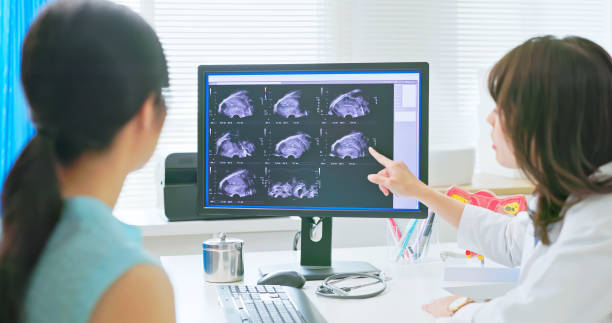
- Diagnostic imaging: Ultrasounds or MRIs may be used to identify areas affected by endometriosis.
- Pre-surgical instructions: Patients are often advised to fast for a specified period before surgery and may need to stop certain medications temporarily.
The preparation period is essential to ensure the safety and success of the procedure.
Types of Surgical Procedures
There are two primary surgical approaches used in treating endometriosis: laparoscopy and laparotomy. The choice depends on factors such as the severity of the condition, location of lesions, and individual patient needs.
- A small incision is made near the navel.
- A laparoscope (a thin tube with a camera) is inserted to visualize internal organs.
- Specialized instruments are used to excise or ablate (destroy) endometrial tissue.
- This technique allows for precision while minimizing damage to surrounding tissues.
- Involves a larger incision in the abdominal wall.
- Typically reserved for severe cases where endometrial growths are extensive or deeply infiltrating.
- Allows surgeons direct access to remove problematic tissues or perform additional repairs if necessary.
Key Surgical Steps During Laparoscopy
| Step | Description |
| Anesthesia | General anesthesia is administered so patients remain unconscious and pain-free during surgery. |
| Incision | Small incisions (usually 1-3 cm) are made near the navel or lower abdomen. |
| Insertion | Carbon dioxide gas is introduced into the abdominal cavity, creating space for visibility and maneuverability. A laparoscope is then inserted through one incision. |
| Tissue Removal | Surgeon identifies endometrial growths and may use excision (cutting out tissue) or ablation techniques such as laser therapy or electrocautery. |
| Post-Surgical Closure | Incisions are closed with sutures or adhesive strips, followed by dressing application. |
For more severe cases requiring laparotomy, steps would involve larger incisions but follow similar principles.
Post-Surgical Measures Taken in Operating Room
After removing abnormal tissue, surgeons often examine surrounding organs like ovaries, fallopian tubes, bladder, and bowel to check for additional implants or adhesions that need addressing.
- Preventing scar tissue formation
- Preserving fertility whenever possible
- Avoiding damage to nearby structures like nerves or blood vessels
Innovations in Endometriosis Surgery
- Robotic-assisted laparoscopy: Offers greater precision using robotic arms controlled by surgeons.
- Advanced imaging techniques: Improve visualization of microscopic lesions not easily detected via conventional methods.
These innovations not only improve accuracy but also reduce recovery times compared to traditional methods.
Understanding these procedures empowers patients with knowledge about what they might experience during surgery while appreciating how modern techniques strive toward better results with minimal risks.
When considering surgery for endometriosis, it is crucial to understand the associated risks, benefits, and potential complications. This information can help individuals make informed decisions in collaboration with their healthcare providers.
Benefits of Endometriosis Surgery
- Pain Relief: Surgical removal of endometrial-like tissue can help alleviate chronic pelvic pain and painful menstruation caused by the condition.
- Improved Fertility: For individuals struggling with infertility due to endometriosis, surgery may enhance the chances of conception by restoring pelvic anatomy and removing adhesions or cysts.
- Accurate Diagnosis: Laparoscopic surgery allows for direct visualization and biopsy of endometrial lesions, providing a definitive diagnosis in cases where imaging is inconclusive.
- Reduction in Disease Progression: By removing lesions or adhesions early on, surgery may help prevent further damage to surrounding tissues/organs.
Risks Associated with Endometriosis Surgery
- Infection: Though rare, infections at the incision sites or within the abdominal cavity may occur.
- Bleeding: Some patients experience excessive bleeding during or after surgery.
- Damage to Surrounding Organs: The bowel, bladder, or reproductive organs may be accidentally injured during tissue removal.
- Scar Tissue Formation (Adhesions): Paradoxically, surgical intervention itself can lead to adhesion formation over time, potentially causing long-term discomfort.
| Risk | Description |
| Infection | Possibility of localized or internal infections post-surgery. |
| Bleeding | Uncontrolled bleeding during or following the procedure. |
| Organ Damage | Potential for accidental injury to nearby organs like bladder/bowels. |
| Adhesion Formation | Development of scar tissue as part of healing that might cause complications. |
Potential Complications
- There is no guarantee that symptoms will not return even after successful surgical intervention. Studies suggest recurrence rates range between 20%–40% within five years post-surgery.
- Hormonal Imbalances Following Hysterectomy (if performed):
- If a hysterectomy is part of treatment—particularly when ovaries are removed—it may result in early menopause and require hormone replacement therapy (HRT).
- In some cases where nerve damage occurs or other underlying conditions coexist (e.g., pelvic floor dysfunction), pain relief might be incomplete.
Key Considerations Before Opting for Surgery
- Discuss all non-surgical options such as hormonal therapy or pain management strategies with your doctor.
- Assess your personal goals—whether symptom control alone suffices or if improving fertility is a priority.
- Seek out a skilled laparoscopic surgeon who specializes in managing complex cases of endometriosis.
Understanding both short-term outcomes and long-term implications prior empowers patients regarding appropriate next steps tailored specifically their needs/preferences across .
Exploring the Risks, Benefits, and Potential Complications of Endometriosis Surgery
Endometriosis surgery is often considered for individuals whose symptoms significantly impact their quality of life. Like any medical procedure, endometriosis surgery comes with its own set of risks, benefits, and potential complications. Understanding these factors can help patients make informed choices about their treatment plan.
Benefits of Endometriosis Surgery
Surgical intervention for endometriosis offers several potential advantages:
– Symptom Relief: Surgery can reduce or eliminate pain caused by endometriosis lesions or adhesions. This is particularly beneficial when other treatments like hormonal therapy are ineffective.
– Improved Fertility: In cases where endometriosis contributes to infertility, surgical removal of lesions and scar tissue may enhance the chances of conception.
– Accurate Diagnosis: Laparoscopic surgery not only treats endometriosis but also provides a definitive diagnosis by visualizing and biopsying affected areas.
– Better Quality of Life: By addressing chronic pain and discomfort, many individuals experience significant improvements in daily functioning and mental health post-surgery.
Risks Associated with Endometriosis Surgery
While most surgeries are performed safely, it is important to be aware of associated risks:
1. Infection: As with any surgical procedure, there is a risk of infection at the incision site or internally.
2. Bleeding: Excessive bleeding during or after surgery may occur but is typically rare in minimally invasive procedures like laparoscopy.
3. Damage to Surrounding Organs: Depending on the extent and location of the disease, there is a small risk that nearby organs (e.g., bladder, bowel) could be injured during surgery.
4. Scar Tissue Formation: Paradoxically, surgical intervention itself may lead to adhesions or scar tissue that could cause further complications or pain over time.
| Risk | Description |
| Infection | Possible at incision sites or internally after surgery |
| Bleeding | Risk during or shortly after the procedure |
| Organ Damage | Accidental injury to nearby organs such as the bladder or intestines |
| Scar Tissue Formation | Surgery-induced adhesions that might lead to future complications |
Potential Complications Post-Surgery
Some patients may experience complications following surgery that require careful monitoring: – Persistent pain despite lesion removal. – Recurrence of endometrial growths over time. – Adverse reactions to anesthesia used during the procedure. – Prolonged recovery due to underlying health conditions.
Weighing Surgical Intervention Against Other Options
When deciding whether surgery is an appropriate choice for managing endometriosis symptoms, it’s crucial to weigh its effectiveness against non-surgical alternatives like medication (e.g., hormonal therapy), lifestyle changes, or physical therapy approaches.
Questions To Consider Before Opting for Surgery:
- Have conservative treatments been exhausted without sufficient relief?
- Are fertility concerns a factor in treatment planning?
- What are my personal goals for symptom management?
By carefully evaluating these factors alongside medical advice from an experienced healthcare provider, individuals can better navigate decisions surrounding endometriosis surgery while minimizing potential risks.
Does Surgery Help Relieve Pain Associated with Endometriosis? Understanding Its Effectiveness
Endometriosis can be an incredibly painful and debilitating condition, often leading individuals to explore various treatment options. Surgery is one of the most commonly considered interventions when conservative treatments fail to provide adequate relief. But how effective is surgery in alleviating pain associated with endometriosis? Let’s explore its role, benefits, and limitations.
How Surgery Addresses Pain in Endometriosis
- Excision Surgery: Surgeons carefully remove endometrial lesions from affected tissues while preserving healthy structures.
- Ablation Techniques: Lesions are destroyed using heat or laser energy, though this method may not address deeper implants as effectively.
- Adhesiolysis: Scar tissue causing organs to bind together is removed to restore normal anatomical relationships and reduce discomfort.
- Cystectomy: Ovarian cysts (endometriomas) are excised to relieve associated pain.
These procedures aim not only to alleviate discomfort but also improve fertility outcomes in some cases.
Effectiveness of Surgery in Relieving Pain
| Surgical Approach | Pain Relief Outcomes |
| Excision Surgery | High rates of sustained relief reported; reduces recurrence risk. |
| Ablation Techniques | Effective for superficial lesions; higher recurrence likelihood compared to excision. |
| Combined Approaches | Combining excision/ablation with hormonal therapy shows better outcomes for some patients. |
Studies have shown that patients undergoing excision surgery can experience significant improvements in their quality of life due to reduced pain levels. However, long-term outcomes can vary widely between individuals.
Factors Influencing Surgical Success
- Advanced stages (III or IV) may require more extensive surgical intervention than early-stage disease.
- A gynecologic surgeon with expertise in minimally invasive techniques often provides better results.
- Hormonal therapies post-surgery may help prevent lesion recurrence and prolong symptom relief.
- Co-occurring conditions such as adenomyosis or pelvic floor dysfunction can impact outcomes.
Limitations and Risks
- Risk of Recurrence: Endometrial lesions may regrow over time, leading to a return of symptoms.
- Non-Pain Related Symptoms: Surgery primarily targets structural issues but may not address non-painful symptoms like fatigue.
- Potential Complications: These include infection, bleeding, or damage to surrounding organs such as the bladder or bowels during procedures.
Additional Considerations
Before opting for surgery as a treatment option for endometriosis-related pain: – Evaluate all conservative options thoroughly (e.g., hormonal therapies). – Discuss potential outcomes with a qualified specialist. – Consider long-term management strategies alongside surgical intervention.
Surgery remains a valuable tool for managing specific cases of endometriosis when non-surgical interventions fall short; however, it should be approached as part of a broader treatment plan tailored to individual needs and circumstances.
- Tips for Choosing the Right Endometriosis Surgery in Washington DC
- Understanding Why Washington Endometriosis Causes Severe and Chronic Pain
- Understanding the Risks, Benefits, and Complications of Endometriosis Surgery in Washington DC
- Exploring Surgical Management Options for Washington Endometriosis: Cutting Through the Pain and Finding Solutions
- Finding an Endometriosis Specialist in Washington DC: Symptoms, Diagnosis, and Treatment
- Finding the Right Endometriosis Specialist in Washington DC: Why It Matters
- Exploring Complementary Therapies at the Endometriosis Center Washington DC
- Finding the Right Endometriosis Surgery in Washington DC: Key Questions to Ask